
Cold at the top, warm at the bottom
Air in the radiator. Bleeding is enough, then bring the boiler pressure back to 1.5 bar.
Home › Cold radiator
One radiator stays cold while the others heat up, or it is only warm at the bottom? The cause is nearly always simple: air, a stuck valve or sludge. Our heating engineers bring the heat back to your radiators 7 days a week, with the price given before any work.
★★★★★5,0on Google· 22 years of experience
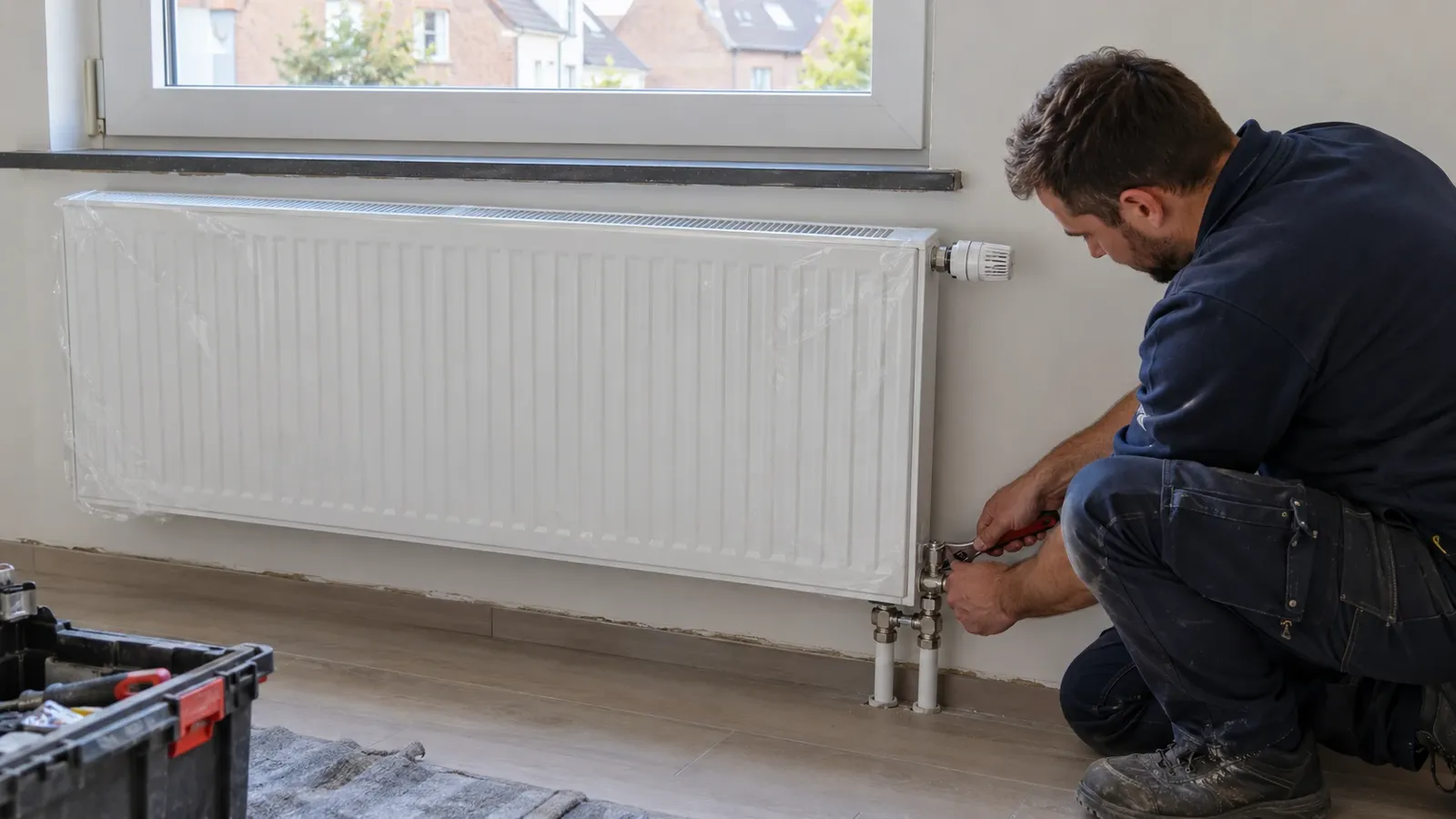
If one radiator stays cold while the others warm up, look first at its thermostatic head. After the summer, the small metal pin underneath often sticks in the closed position. Unscrew the head and press the pin gently a few times: if it springs back, hot water flows again.
If the radiator is warm at the bottom but cold at the top, it contains air. Open the bleed screw with the key, with the boiler off, until water comes out, then close it and check the boiler pressure. If it is the other way round, hot at the top and cold at the bottom, it is more likely sludge.
When the pin no longer moves or the valve leaks, the engineer replaces it. He drains the relevant section, fits a new valve, refills the system, bleeds it and checks the radiator heats across its full height.
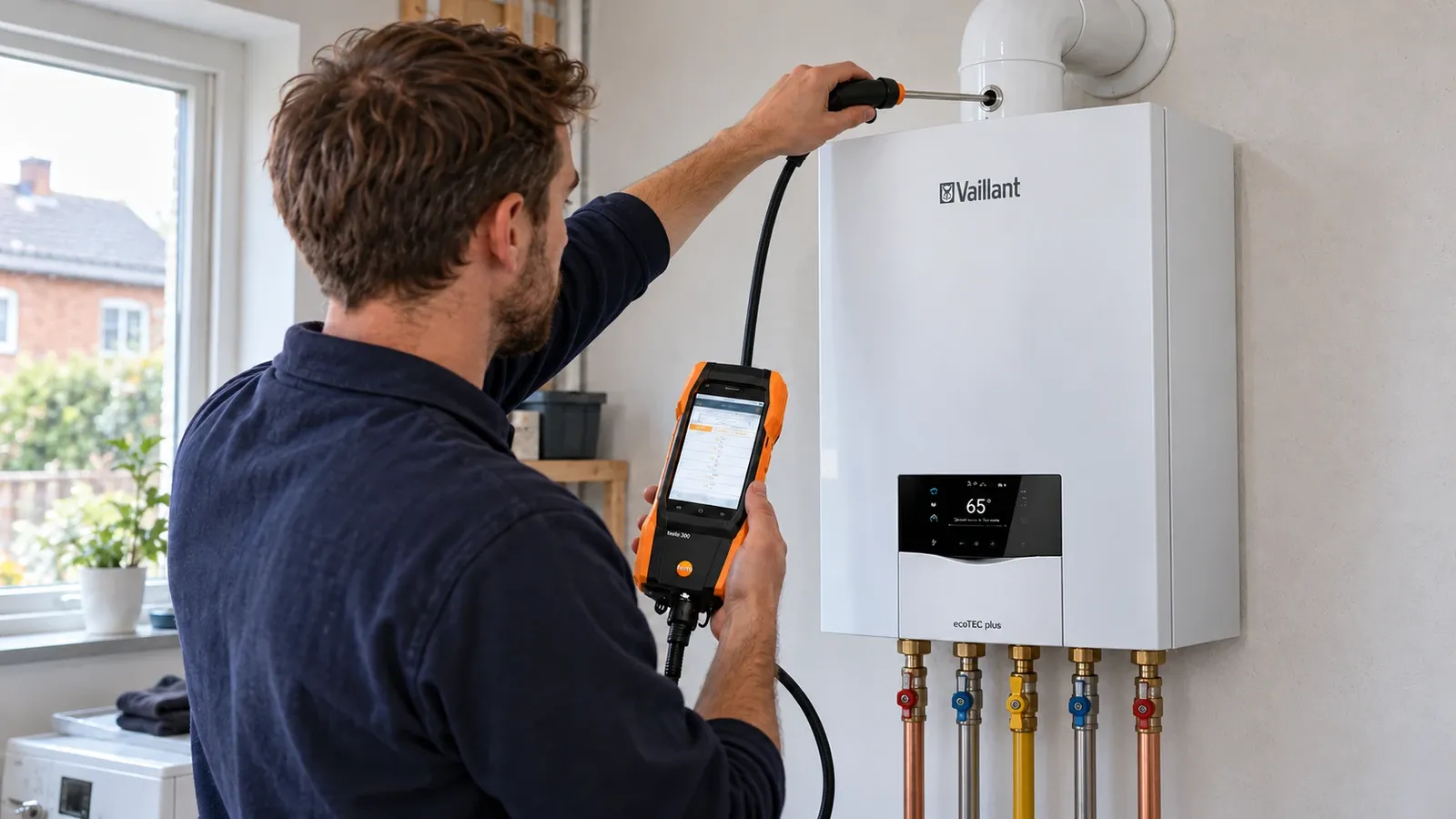
When every radiator stays cold, the problem is not the radiators but heat production. The boiler may be in fault, the circulation pump seized or the diverter valve stuck on the hot water side.
A simple clue: if the hot taps still work, the burner is fine and the fault lies with the pump, the diverter valve or the thermostat. If nothing heats any more and a code is displayed, note it before calling.
The engineer checks the pump runs, frees or replaces the faulty part and checks the flow temperature setting. A boiler set too low also gives lukewarm radiators in very cold weather: adjusting the heating curve is sometimes enough.
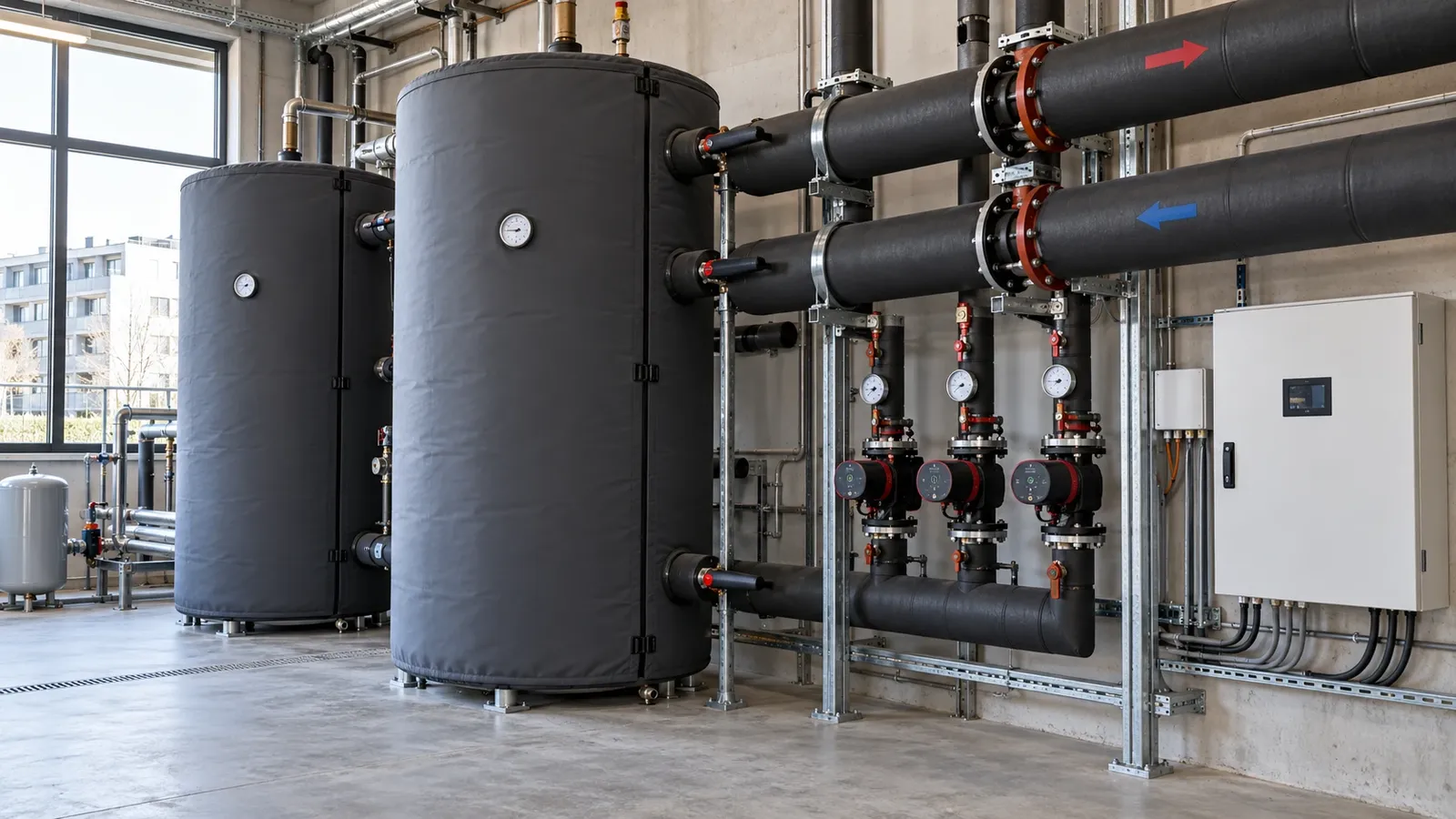
Radiators near the boiler scalding hot, those on the top floor barely warm? The system is unbalanced: hot water takes the shortest route. The engineer adjusts each radiator's lockshield valve so the flow is shared across the whole house.
Over the years, rust and scale form black sludge that settles at the bottom of radiators and in the pipes. A power flush circulates a cleaning agent, then rinses the system at high flow with a machine, radiator by radiator.
After a power flush, the engineer can fit a magnetic filter under the boiler to catch remaining particles. In apartment buildings, the same work is done riser by riser from the plant room, in agreement with the managing agent.
How the radiator is cold says a lot about the cause. Feel it in several places with the heating on.
Air in the radiator. Bleeding is enough, then bring the boiler pressure back to 1.5 bar.
Sludge has settled. A power flush is needed, especially if the water from the bleed screw is black.
Thermostatic valve stuck or closed. Check the head and the pin.
Boiler temperature too low, pump too weak or circuit unbalanced.
Gurgling: air. Whistling: too much flow or an almost closed valve.
How many radiators, where, since when, and what you have already tried. We book a visit.
The engineer tests radiators, valves, pump and boiler, then gives the price of the solution.
He repairs, bleeds, balances and hands you the job sheet, followed by the invoice.
Trustindex vérifie que la source originale de l'avis est Google. Super quick intervention on a late Tuesday evening!Publié surTrustindex vérifie que la source originale de l'avis est Google. Top service. Very professional. Clear communication and no sneaky sales pitches. Problem identified, problem solved. Correct!Publié surTrustindex vérifie que la source originale de l'avis est Google. Très content du service : communication via emails, entretien de la chaudière avec photos avant/après. Je recommande !Publié surTrustindex vérifie que la source originale de l'avis est Google. Very professional and fast service!! TopPublié surTrustindex vérifie que la source originale de l'avis est Google. Very nice of plumbing thanks a lot!
Our heating engineers work throughout Belgium, in Brussels, Flanders and Wallonia, for houses, flats and apartment buildings.
Our technicians work on all brands: they install, service and repair appliances from the major manufacturers. For a new installation, we recommend the model that suits your home and budget.












We buy our equipment from all the major Belgian wholesalers and suppliers, including Facq, Van Marcke and Desco: genuine parts, quickly available.



With the boiler off, open the bleed screw at the top of the radiator with a key or screwdriver, a cloth underneath. Close it when water comes out without bubbles, then check the boiler pressure.
Sludge has settled in it. A power flush cleans the radiators and protects the boiler.
Often yes: take off the head and press the pin gently. If it stays stuck, the valve must be replaced by an engineer.
No. The agent is designed for heating systems and the rinse removes what it loosens. It is the sludge that wears the pump and heat exchanger.
It depends on the job: bleeding and balancing, replacing a valve or a full power flush. The engineer gives you the price before starting.
Yes. It helps when some rooms stay cold while others are too warm.
Call 0477 03 88 98, book a slot online or request a quote via the form.
Call us, book a slot online or request a quote for a power flush.