
Recently bled radiators
After bleeding, the air is gone and the pressure drops a little. Topping up once is normal.
Home › Low boiler pressure
The gauge needle is below 1 bar and the boiler has stopped? In most cases you can top it up yourself in two minutes. If the pressure drops again, a heating engineer comes to find the leak 7 days a week and gives you the price before repairing.
★★★★★5,0on Google· 22 years of experience
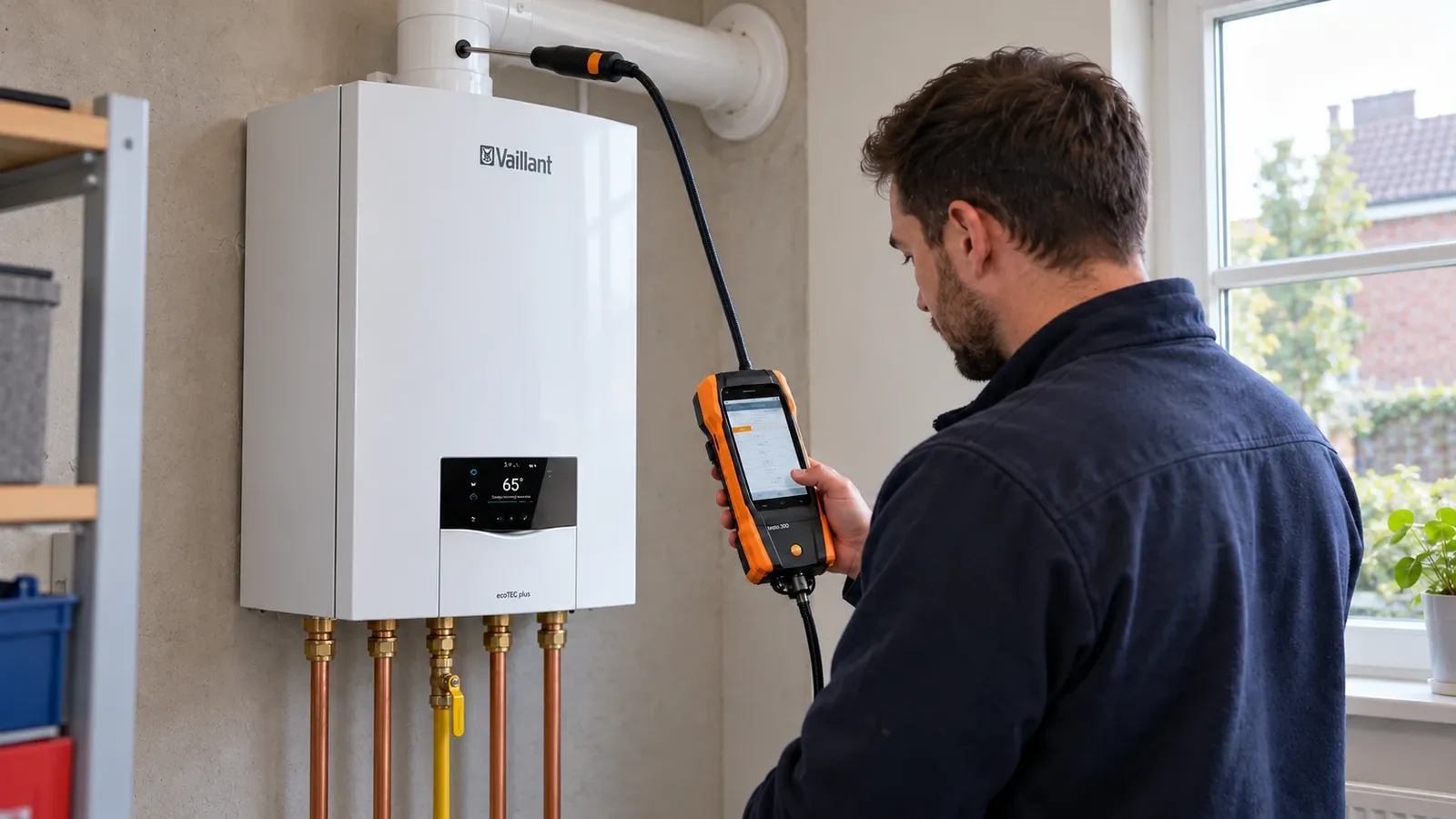
A wall-hung boiler works with water under pressure, usually between 1 and 2 bar when the system is cold. Below about 0.8 bar, most models go into fault to avoid running dry: no heating, sometimes no hot water either.
To top up, find the filling loop under the boiler (a small lever, a key or a braided hose connected to the mains). Open it slowly while watching the gauge, close it at 1.5 bar, then reset the boiler. On some recent boilers, filling is done from the display.
If you cannot find the filling loop or the gauge does not move, do not force anything. The engineer restores the pressure, bleeds out the air that got into the system and checks the filling valve closes properly, because a valve that lets water through makes the pressure climb too high instead.
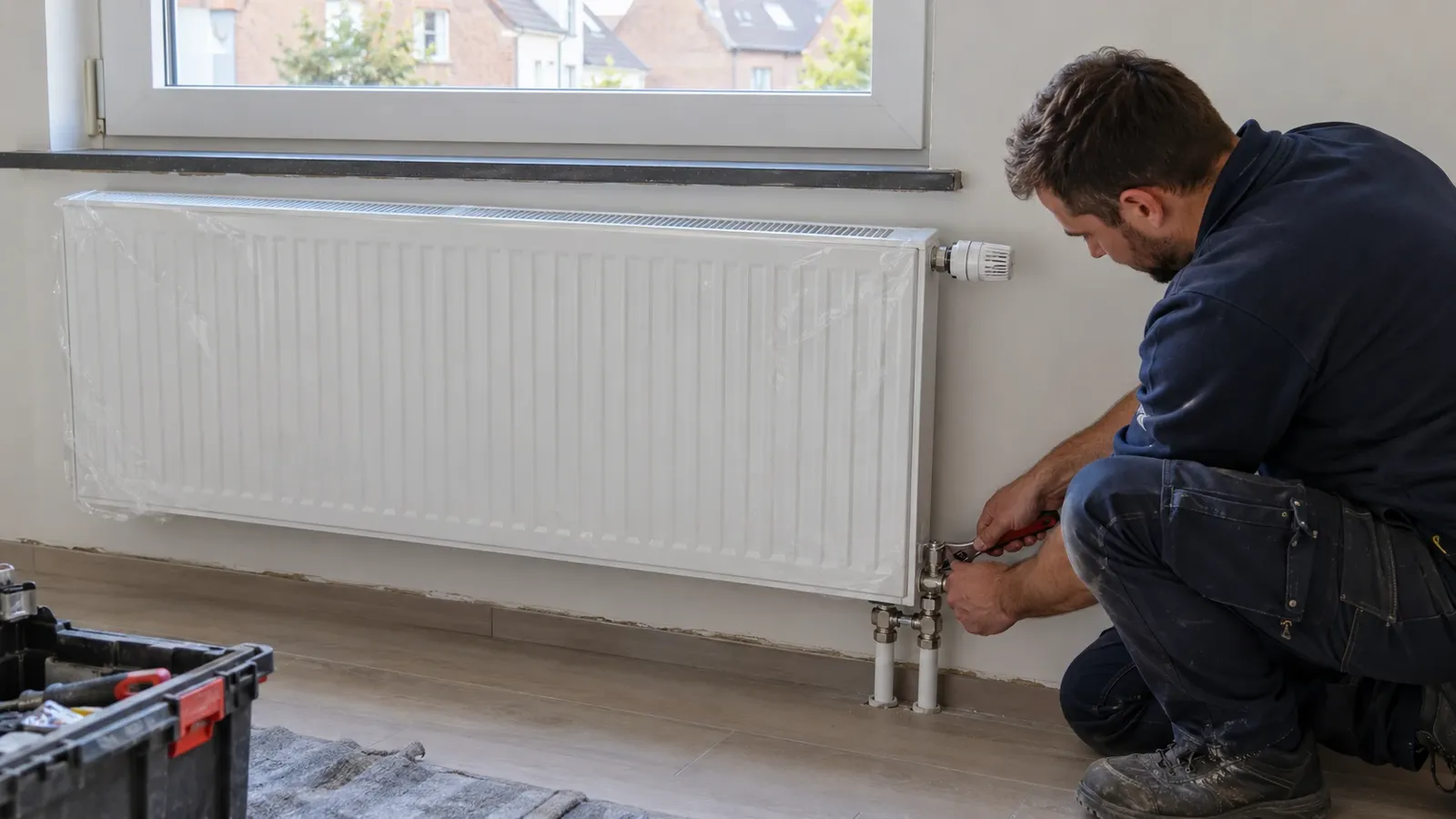
A heating system is a sealed circuit: water has no reason to disappear. If you have to top up every week, there is a leak, even if you cannot see it. Bleeding radiators lowers the pressure a little, but only once.
The engineer starts with the easy places: relief valve, joints under the boiler, radiator valves and bleed screws. Then he checks the expansion vessel, often to blame: when flat, it makes the pressure rise with each heating cycle until the relief valve lets water out.
If nothing shows, the leak may be in a buried pipe or in the boiler's heat exchanger. The engineer isolates sections of the circuit one by one to find the part that loses water, then suggests the repair and its price.
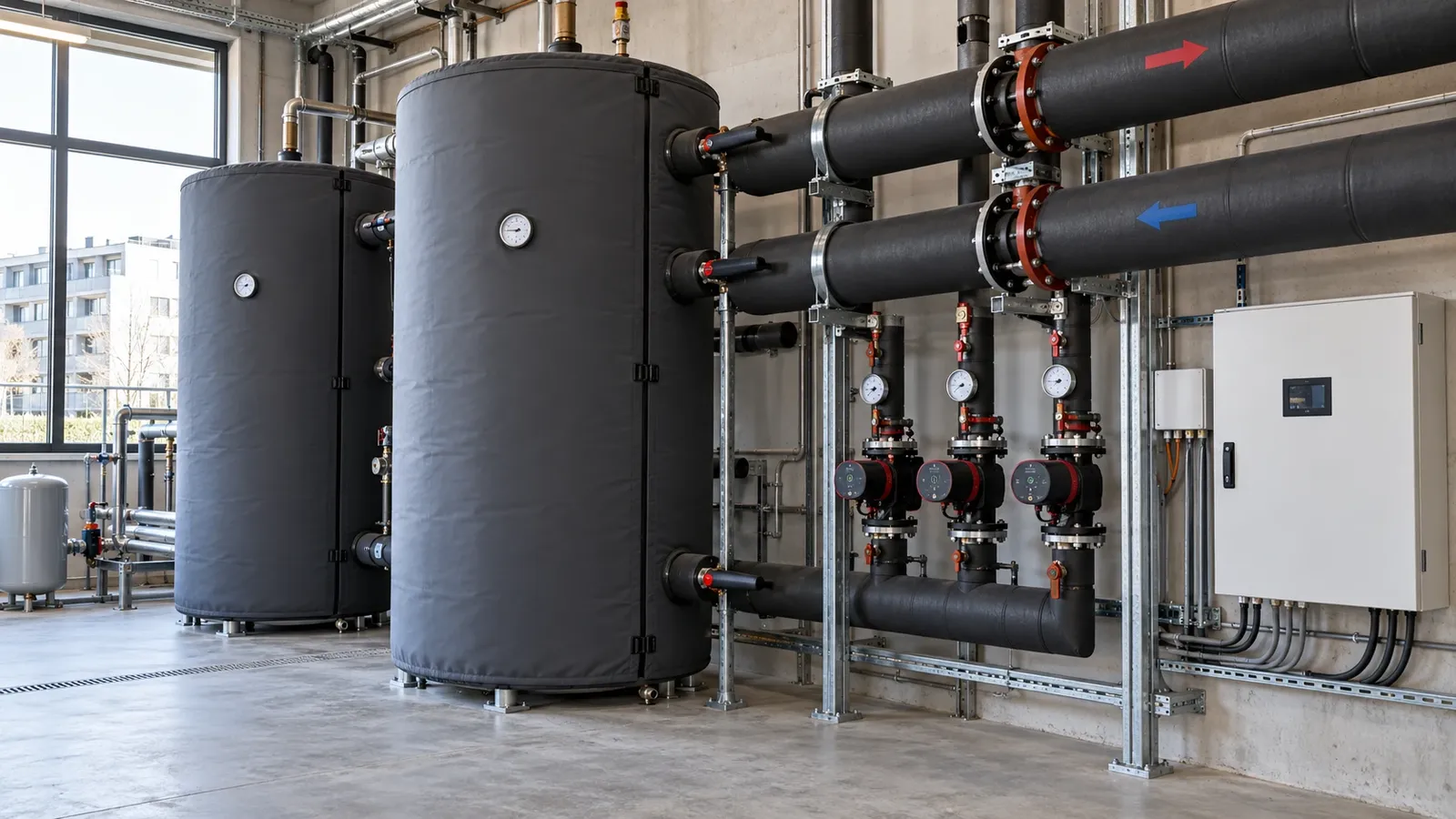
In an apartment block or commercial building, the boiler feeds a much larger circuit. Pressure is monitored on a plant room gauge, and an automatic fill unit sometimes makes up losses without anyone noticing.
An automatic fill that runs all the time is hiding a leak. Fresh water brings oxygen and limescale that damage boilers and heat exchangers. Our technicians read the make-up water meters, check the large expansion vessels and valves, then trace the leak riser by riser.
Managing agents receive a clear report: what was found, what was repaired and what to plan at the next plant room service.
Pressure never falls without a reason. This is what our engineers find most often.
After bleeding, the air is gone and the pressure drops a little. Topping up once is normal.
It no longer absorbs expansion. Pressure rises when hot, the relief valve opens, then it falls when cold.
Worn or dirty, it no longer closes fully and lets water out drop by drop.
A dried-out seal under a radiator or a weeping valve can lower the pressure in a few days.
A pipe in a screed or wall: nothing visible, but the pressure falls steadily.
Rarer: water leaks inside the appliance, sometimes with rust marks under the boiler.
Tell us the pressure shown, the boiler brand and how often you top up.
The engineer checks vessel, valve, filling loop and circuit, finds the leak and gives you the price.
He repairs, resets the pressure, bleeds and checks it stays stable hot and cold.
Trustindex vérifie que la source originale de l'avis est Google. Super quick intervention on a late Tuesday evening!Publié surTrustindex vérifie que la source originale de l'avis est Google. Top service. Very professional. Clear communication and no sneaky sales pitches. Problem identified, problem solved. Correct!Publié surTrustindex vérifie que la source originale de l'avis est Google. Très content du service : communication via emails, entretien de la chaudière avec photos avant/après. Je recommande !Publié surTrustindex vérifie que la source originale de l'avis est Google. Very professional and fast service!! TopPublié surTrustindex vérifie que la source originale de l'avis est Google. Very nice of plumbing thanks a lot!
Our heating engineers work all over Belgium, in Brussels, Flanders and Wallonia, in houses, flats and building plant rooms.
Our technicians work on all brands: they install, service and repair appliances from the major manufacturers. For a new installation, we recommend the model that suits your home and budget.












We buy our equipment from all the major Belgian wholesalers and suppliers, including Facq, Van Marcke and Desco: genuine parts, quickly available.



For most wall-hung boilers in homes, between 1 and 2 bar when cold, ideally around 1.5 bar. When hot it rises a little, without going over about 2.5 bar.
Yes, with the filling loop, with the boiler cold, up to 1.5 bar. Close it properly afterwards. If you cannot find it, call us on 0477 03 88 98.
Not dangerous straight away, but it means there is a leak or a flat expansion vessel. Constantly adding fresh water damages the boiler over time.
Above 2.5 to 3 bar the relief valve will open. Check the filling loop is closed and bleed a radiator to lower the pressure slightly. If it climbs again, have the expansion vessel checked.
If the radiators gurgle or are cold at the top, yes: bleed first, then bring the pressure back to 1.5 bar.
Yes. During the yearly service, the engineer checks the system pressure and the expansion vessel charge.
Yes, 7 days a week. Any extra charge is quoted before we set off.
Call us to find the leak, book a slot online or request a quote.