Slow toilets
Everything drains slowly though nothing is blocked.

Home › Drain unblocking › Septic tank emptying
In short: In many Belgian villages, homes are not connected to a sewer and depend on a septic tank or a small treatment unit. Service Technic Belgium empties and cleans them, checks the pipes and filters, and leaves you a dated record of the work. Call 0477 03 88 98.
A septic tank works only if the sludge is removed before it reaches the outlet. Emptied in time, it lasts for decades; left too long, it blocks the drains and the soakaway behind it.
★★★★★5,0on Google· 22 years of experience
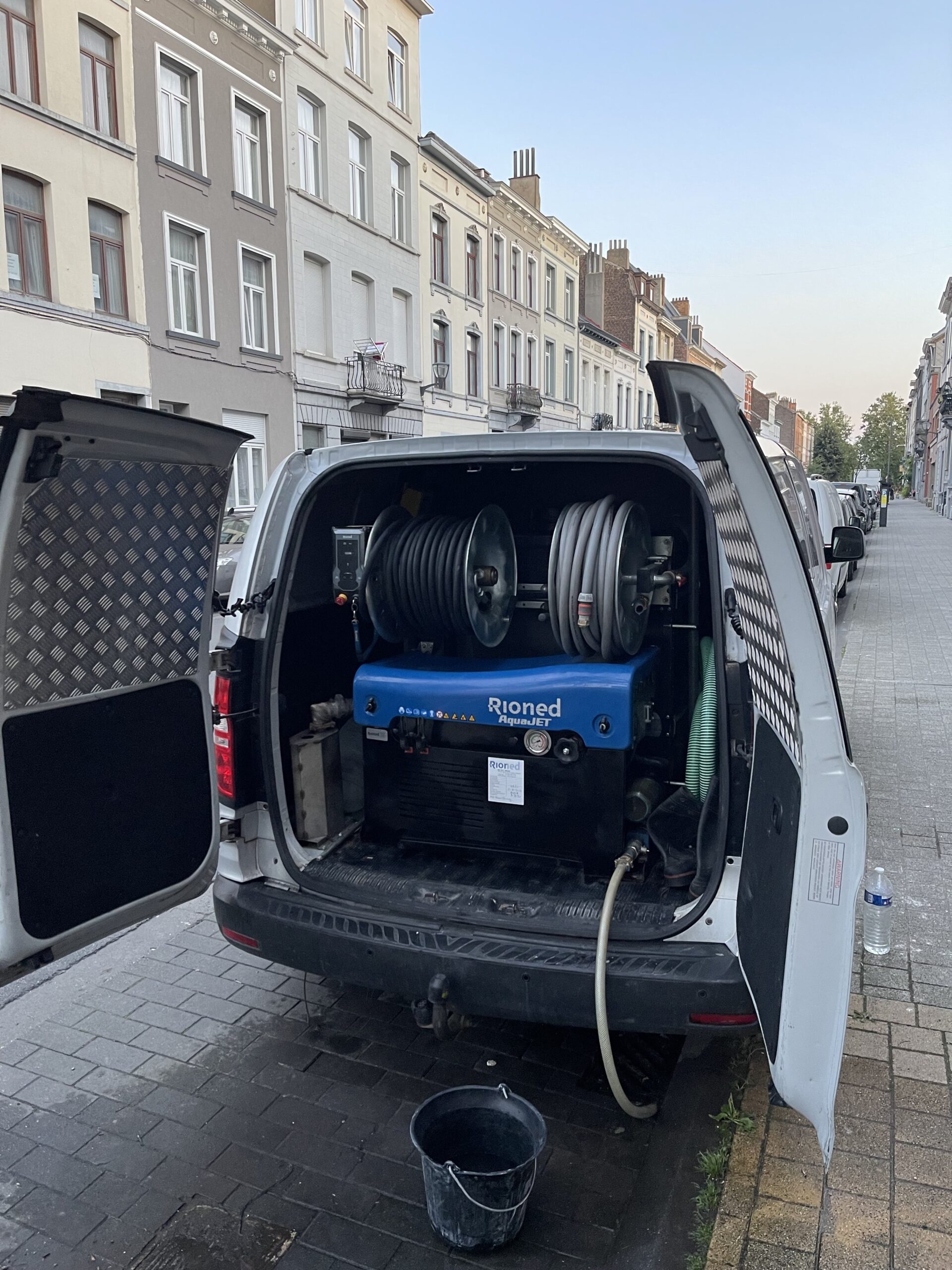
Wherever the main sewer does not reach, mostly in the countryside of Wallonia and in parts of Flanders, houses treat their own waste water. Older homes have a septic tank followed by a soakaway; newer ones often have a small treatment unit.
The rules on emptying and treatment depend on the region and on the zoning of your street. Your municipality can tell you which applies.
In towns, old tanks sometimes remain under gardens even after connection to the sewer, and can cause smells or blockages.
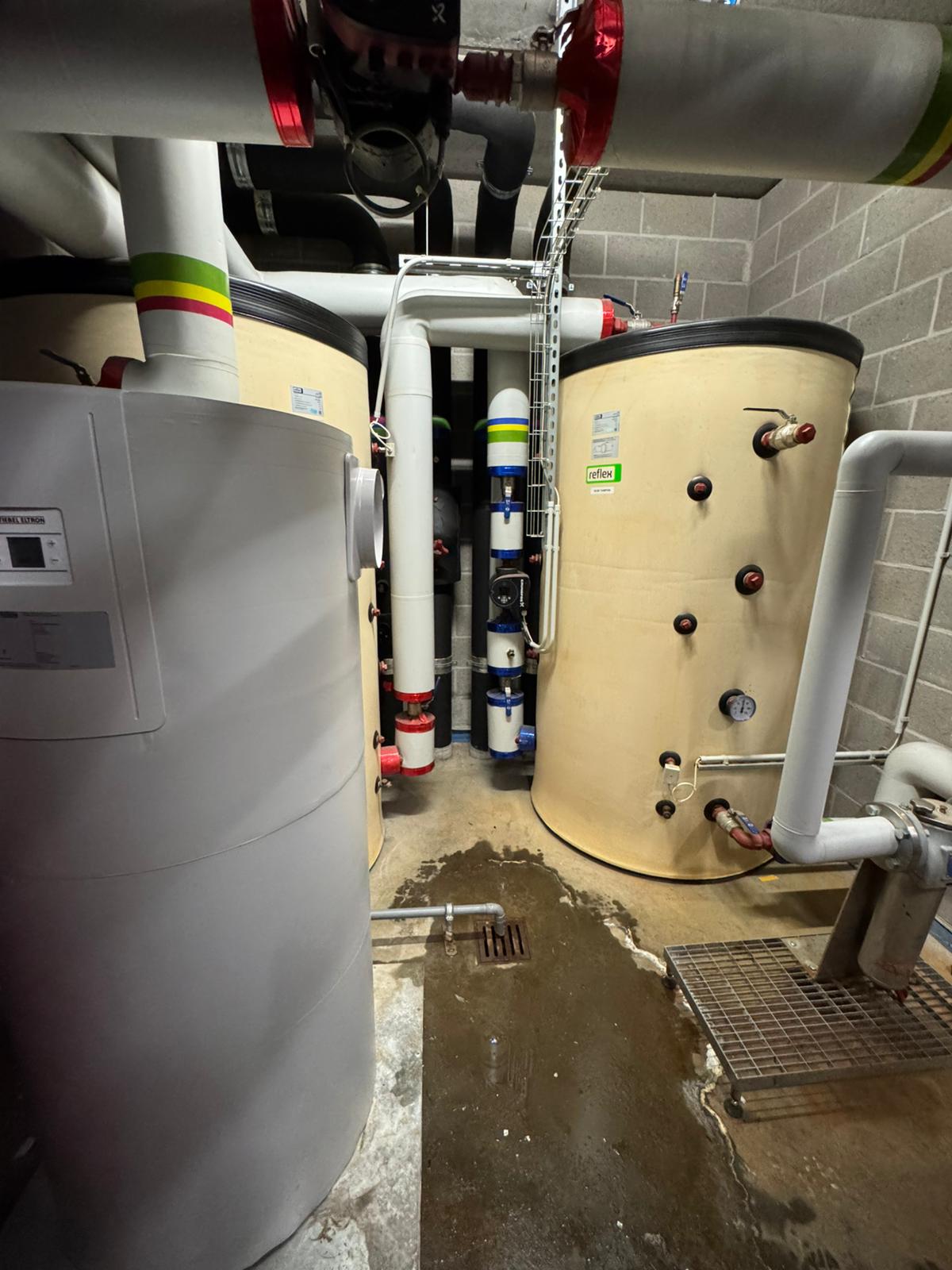
The technician opens the inspection covers, checks the levels and the state of the inlet and outlet, then a vacuum tanker pumps the sludge, the floating crust and the liquid.
The tank is rinsed and refilled with some clean water so that it starts working again quickly. The sludge goes to a treatment plant, never into a sewer or a ditch.
For a treatment unit, he also cleans the filters and checks that the pump and aerator, if any, are running.
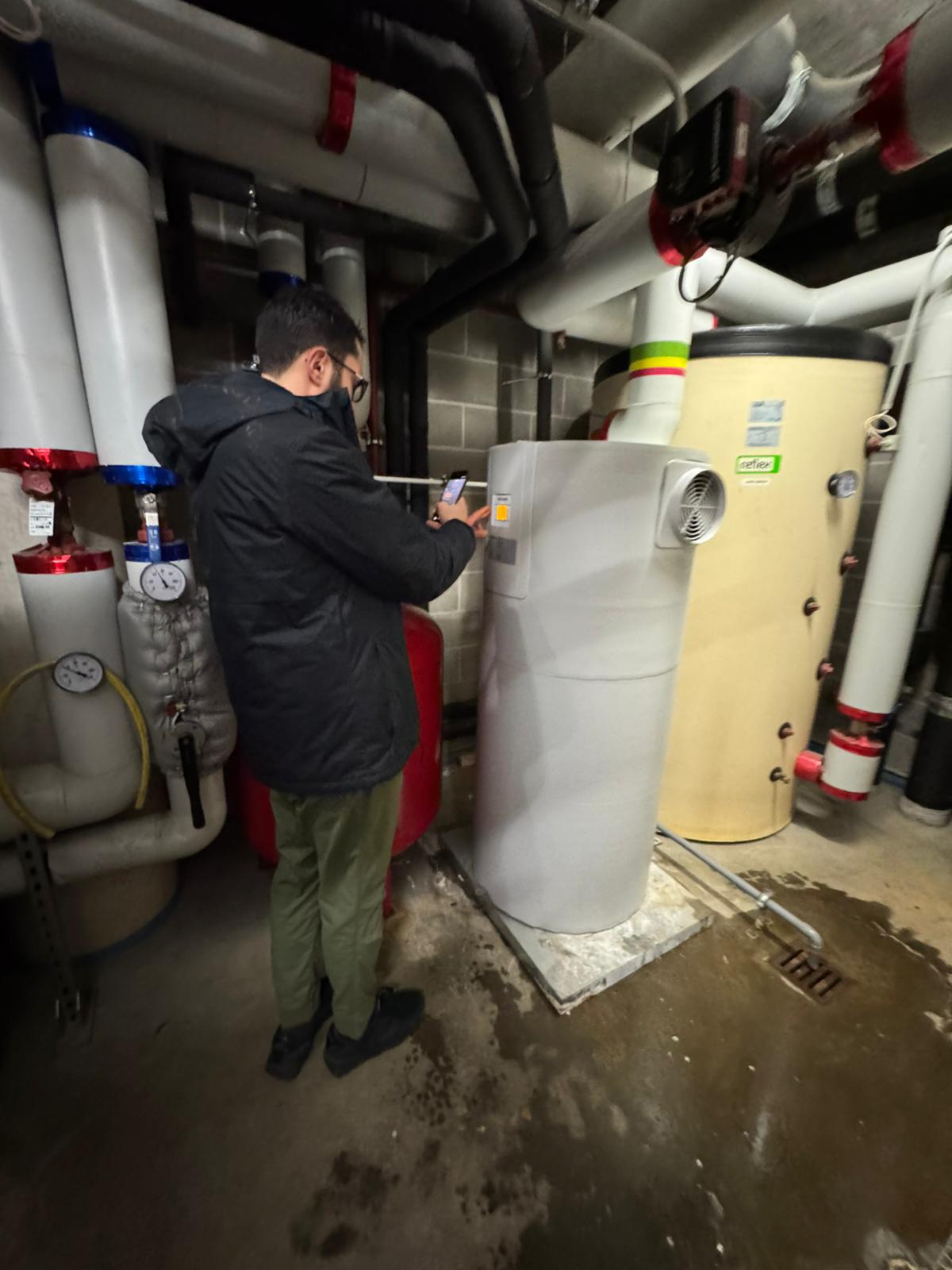
As a guide, a septic tank needs emptying every three to four years, depending on its size and the number of people in the house. A treatment unit often needs its sludge removed more often; the maker's manual gives the interval.
Signs that it is time: slow-draining toilets, a smell near the covers, water standing above the soakaway, or a crust that reaches the outlet pipe.
Keep the dated record of each emptying: it may be asked for when selling the house.
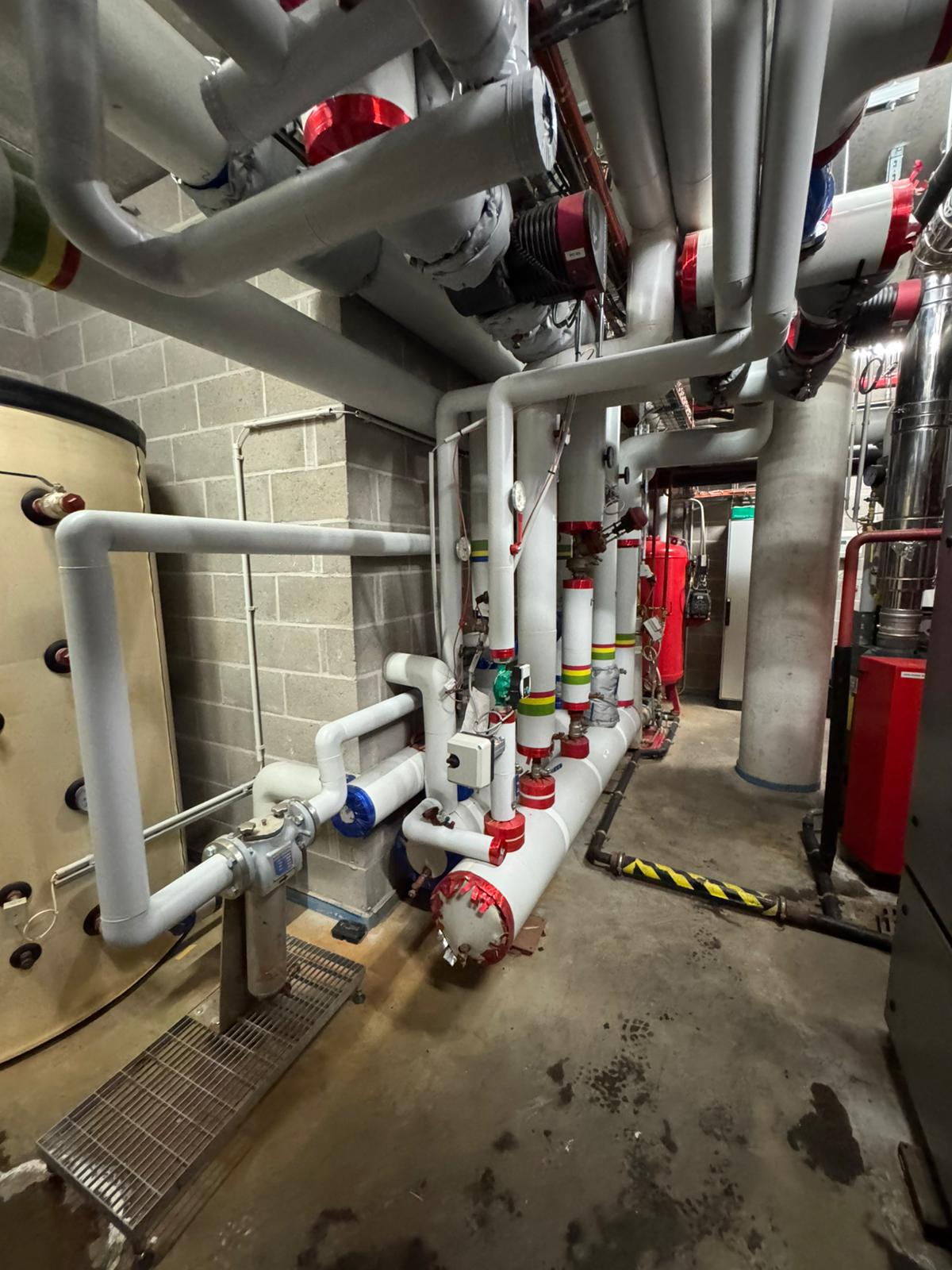
Restaurants, canteens and food businesses have a grease trap between the kitchen and the drain. It must be emptied before it fills, otherwise grease passes into the pipe and blocks it.
Garages and car parks may have an oil interceptor. It is emptied in the same way, with suitable transport for the waste.
We agree a frequency with you that suits your activity, and can work before opening or after service.
A blocked inlet pipe is often the first sign of a full tank. We jet it at the same time as emptying, so that the deposits do not end up straight back in the tank.
A soakaway that no longer drains may be clogged with sludge that escaped from an overfull tank. The camera shows the state of the pipes before any digging.
If the tank is cracked or the outlet broken, you receive a quote for the repair, or for replacing the tank with a treatment unit.
Everything drains slowly though nothing is blocked.
Near the covers or the soakaway.
Standing water or very green grass over the soakaway.
The floating layer reaches the outlet.
Clear plants, gravel or decking from the inspection covers.
Tell us the distance from the road; the hose reaches several tens of metres.
The date of the last emptying helps us judge what to expect.
Never lean over an open tank: the gases are dangerous.
The office takes your address, which drain is affected, and books a time.
You know the call-out cost before anyone sets off; larger jobs get a written quote.
Find and explain first, then your agreement, then the work. Job sheet and invoice from Service Technic Belgium.
Trustindex vérifie que la source originale de l'avis est Google. Super quick intervention on a late Tuesday evening!Publié surTrustindex vérifie que la source originale de l'avis est Google. Top service. Very professional. Clear communication and no sneaky sales pitches. Problem identified, problem solved. Correct!Publié surTrustindex vérifie que la source originale de l'avis est Google. Très content du service : communication via emails, entretien de la chaudière avec photos avant/après. Je recommande !Publié surTrustindex vérifie que la source originale de l'avis est Google. Very professional and fast service!! TopPublié surTrustindex vérifie que la source originale de l'avis est Google. Very nice of plumbing thanks a lot!
We work in every province and in Brussels, with most requests coming from rural Wallonia and the Flemish countryside.
Usually every three to four years, depending on its size and how many people live in the house. Treatment units often need it more often; check the manual.
It is taken by tanker to a treatment plant. It is never emptied into a sewer, ditch or field.
Not necessarily, if the covers are accessible and you tell us where they are. We leave the record and the invoice.
Yes, we remove the sludge, clean the filters and check the pump or aerator.
Yes, in Wallonia, Brussels and Flanders. You are told the call-out cost before we come.
We jet the pipes and check the soakaway with the camera; if it is clogged, you get a quote for restoring it.
Call 0477 03 88 98, send us a WhatsApp message or book online with the « Book an appointment » button. Tell us the municipality and what is blocked.
Call 0477 03 88 98: we pump the tank, check the pipes and leave you a dated record.