Produce your own electricity
Your roof becomes a small power station. As long as it is daylight, even on cloudy days, your panels produce electricity for your home.

Home › Solar panelsRenewable energy
Every day, your roof gets free sunshine. With well-designed solar panels, you turn it into electricity you use at home: less electricity to buy, and less worry every time energy prices go up. Add a home battery for the evening and a heat pump for heating and hot water, and your home runs largely on your own sun. Survey, installation, connection and follow-up: one point of contact from A to Z.
★★★★★5.0on Google22 years of experiencePrice in the quote, before the work
Solar panels are not just good for the planet: above all, they are a way to take back control of your electricity bill.
Your roof becomes a small power station. As long as it is daylight, even on cloudy days, your panels produce electricity for your home.
Every kilowatt-hour you produce and use on site is one you do not have to buy. What you send back to the grid earns you much less than bought-in electricity costs: the real gain is using it yourself.
Energy prices go up and down without asking you. The electricity from your own roof does not depend on the markets.
We start from your actual consumption and your plans (heat pump, electric car) to install the right output, not too much and not too little.
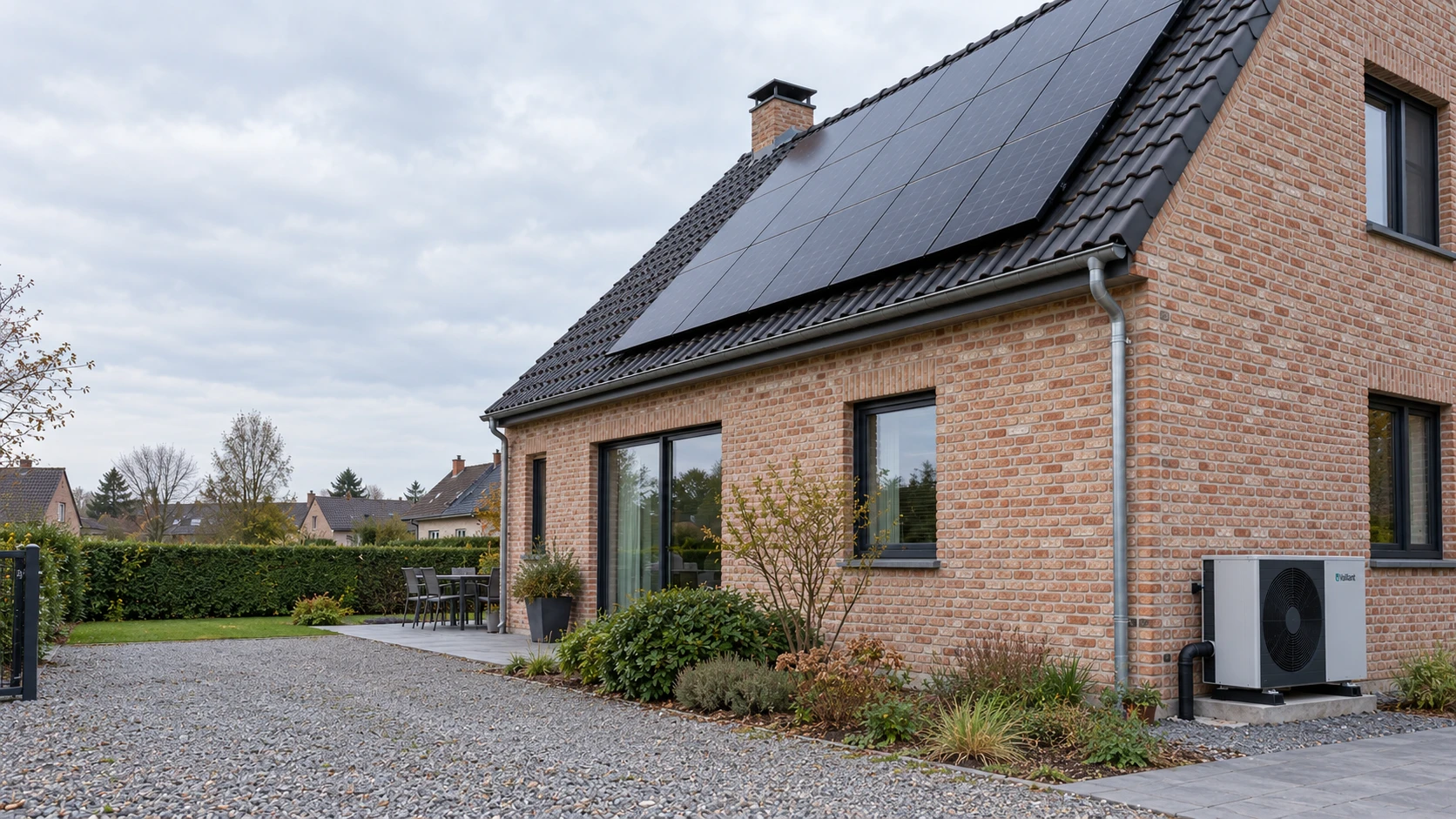
The winning pair
A heat pump heats your home and your water with electricity. With solar panels on the roof, a good share of that electricity comes from your own roof: heating and hot water become cheaper to run, and your production is used on site instead of going to the grid.
This is where solar really pays off. The heat pump can heat your hot water during the day, while the panels are producing, and warm the house up before the evening. In winter the sun produces less: that is why we design the whole system over the full year, so each appliance is the right size.
The same office surveys, installs and follows up your panels and your heat pump. No two companies passing the buck: one point of contact, one system designed as a whole.
Heating and hot water partly powered by your panels. We design both together so neither one is oversized.
See heat pumps →It heats your hot water while the sun shines: your production stored as hot water, ready for the evening.
Your car runs on electricity from your roof, especially at weekends or when working from home, with a charger that follows production.
It cools precisely when the panels produce most, and heats in spring and autumn.
See air conditioning →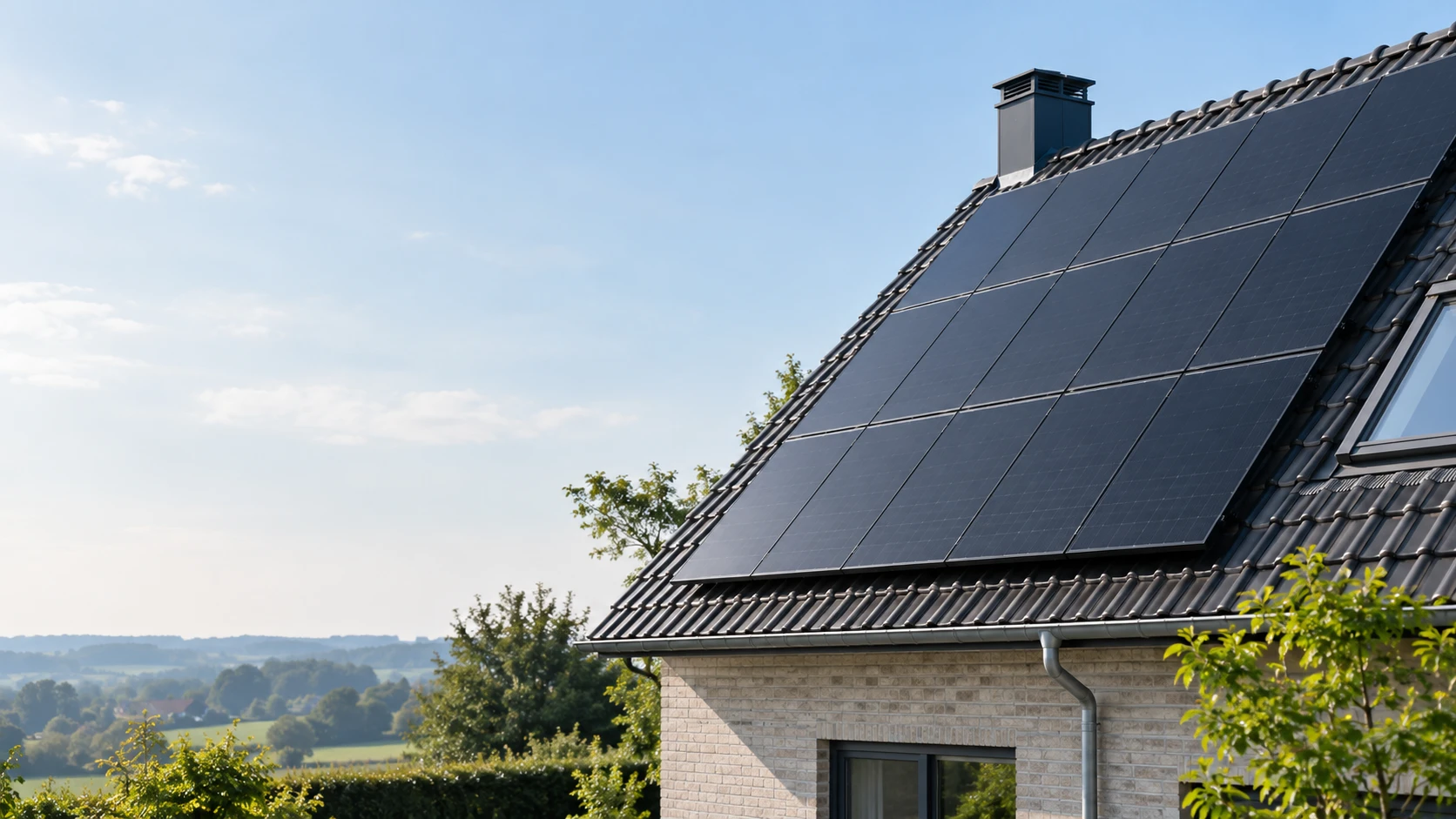
A good system is calculated before it is installed. The technician looks at the orientation and pitch of the roof, the shade from the chimney, a tree or the house next door at different times of day, the condition of the roof covering and the space available. A south-facing roof is not a must: an east-west roof produces earlier in the morning and later in the evening, which often suits family life better.
He then starts from your electricity bills: how much you use, when, and what is about to change, such as a heat pump, an electric car or a heat pump water heater. The aim is not to fill the roof, but to install the right output so you use as much of your own production as you can.
You receive a clear, itemised quote: panels, inverter, mounting, cabling, connection and paperwork. And if your roof is not suitable, we tell you plainly.
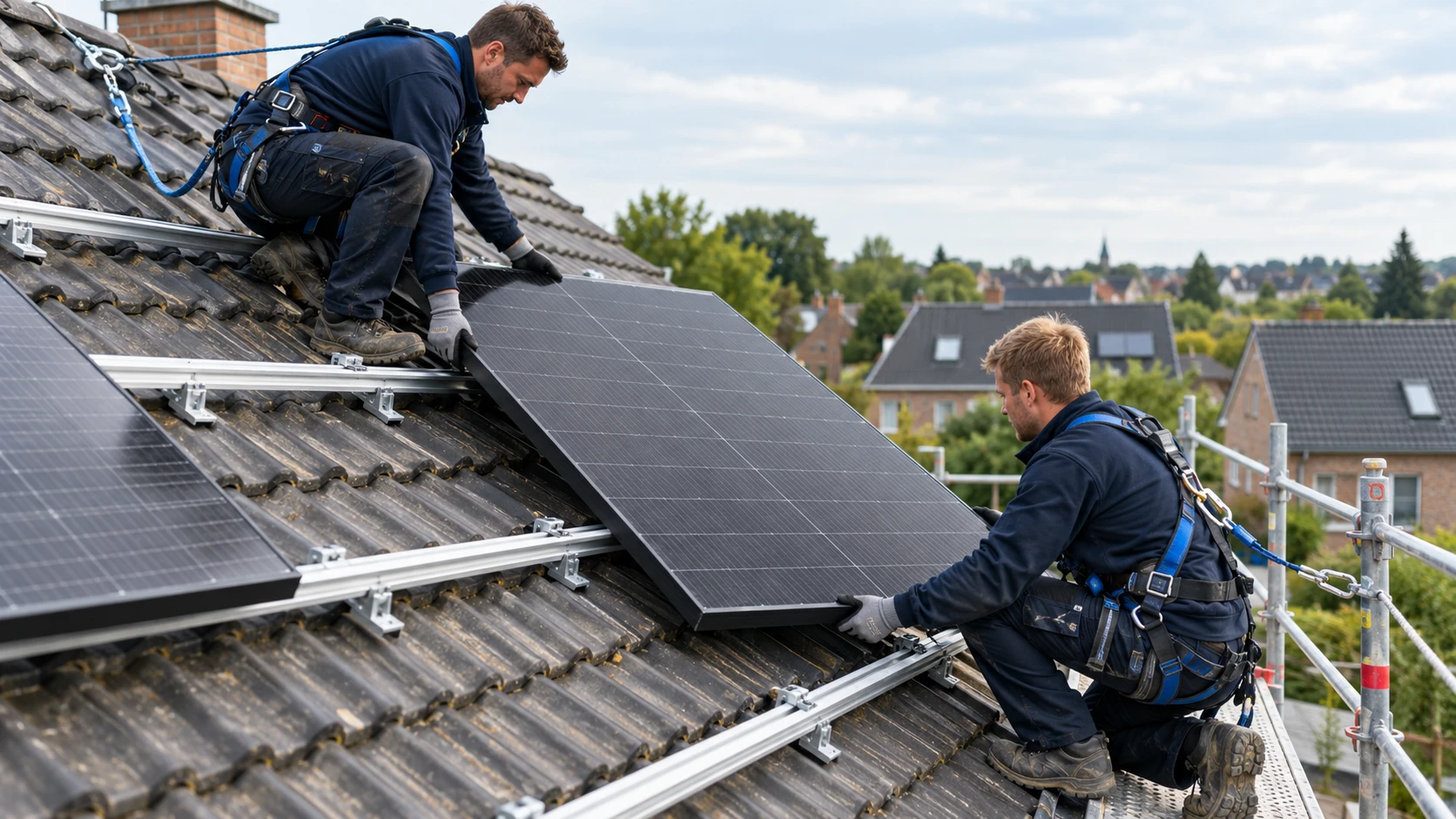
Installation starts with the roof, because keeping the roof watertight comes first. On tiles, hooks are fixed into the rafters and the tiles trimmed if needed; on slates, we use parts made for slate; on a flat roof, panels go on frames suited to what the roof can take.
Rails are lined up, panels clamped with the right clamps, cables tied and protected. Connectors are crimped with the tool made for their brand: a detail that prevents tomorrow's breakdowns. The job is done with safety equipment suited to your roof, and the site is left clean.
For a house, installation usually takes one to two days. Before leaving, the technician shows you where the cables run and where the inverter and isolators are.
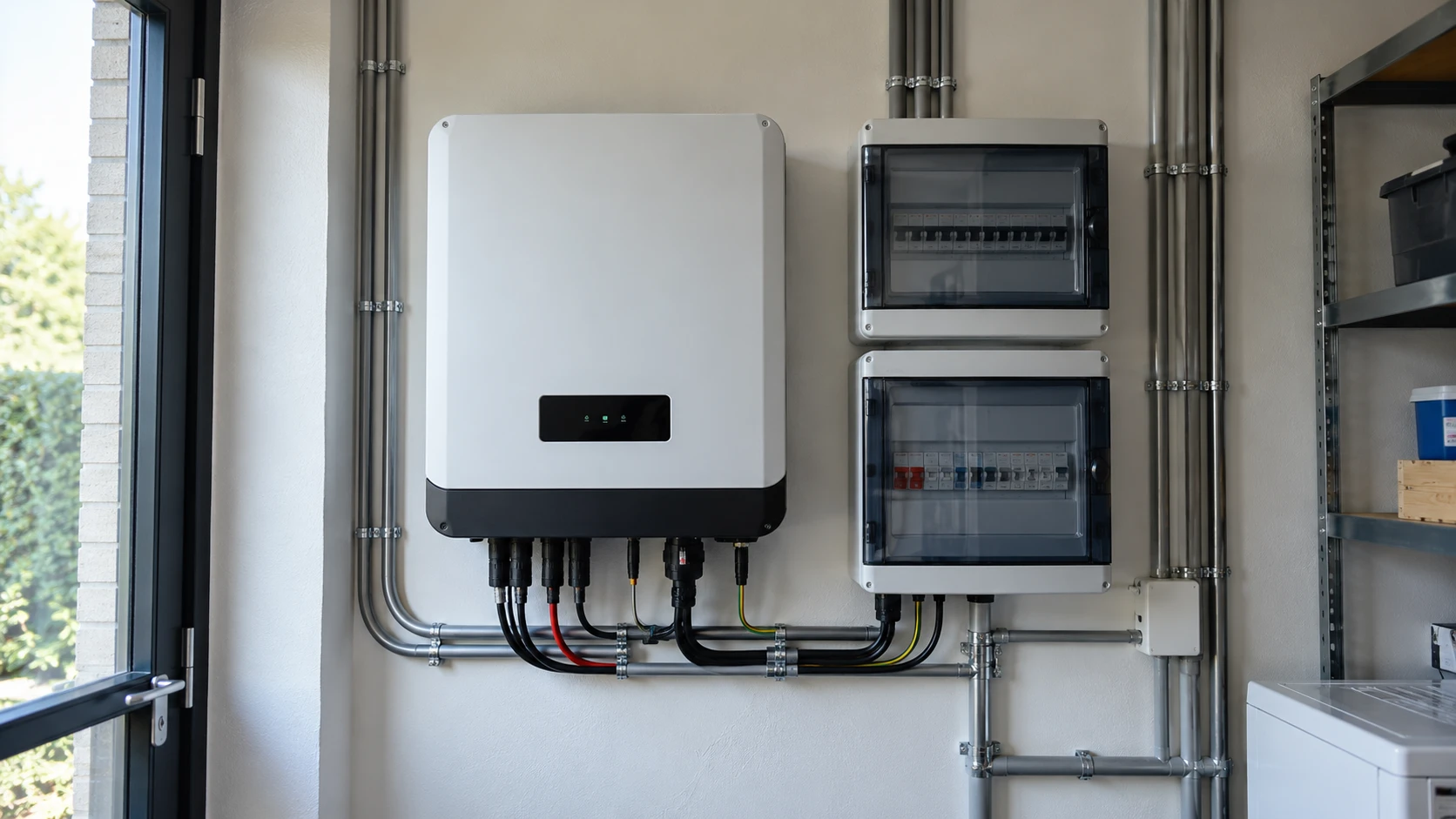
The inverter turns the current from the panels into electricity for the house. Depending on the roof, we choose a string inverter, optimisers on panels that get shade, or micro-inverters. With a hybrid inverter, a home battery can be added straight away or later.
It is connected to the consumer unit on a dedicated circuit with its own protection. Before commissioning, the system passes a conformity inspection by an inspection body and is registered with your grid operator (Sibelga, Fluvius, ORES or Resa depending on the region). We prepare the diagram and documents and help you with the paperwork.
At start-up, the technician sets up the monitoring app with you: you see what your roof produces day by day, and learn to run your big appliances at the right time.
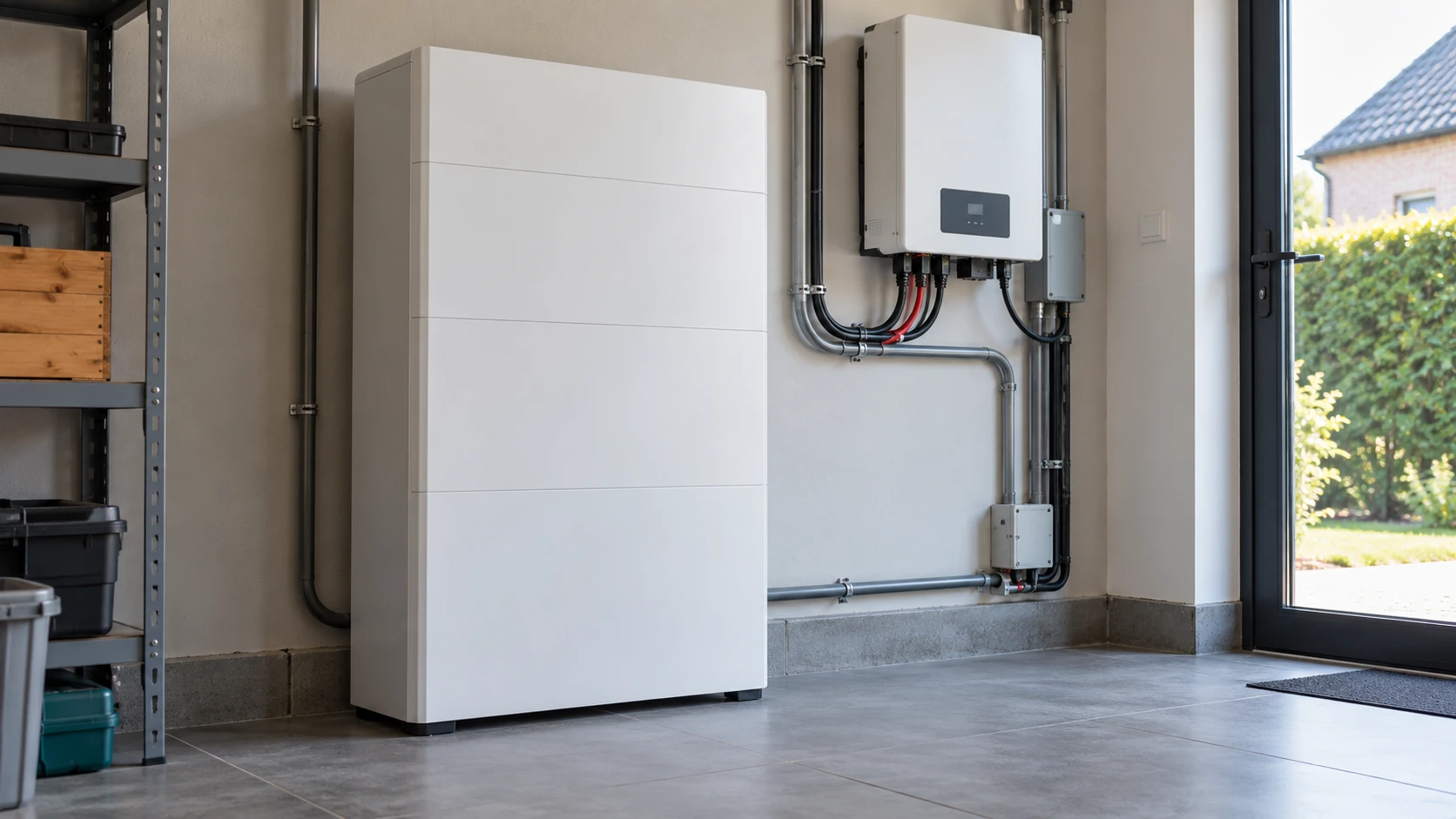
Around midday, your panels often produce more than the house uses. A home battery keeps that surplus for the evening, when the family comes home, dinner is cooking and the heat pump or electric car needs energy. The result: you use more of your own electricity instead of sending it to the grid.
The technician works out the usable capacity from your consumption, not from the biggest battery in the catalogue. It can be planned from the start or added later: we first check whether your inverter allows it, and tell you honestly whether it makes sense for you.
Some systems keep part of the house powered during a power cut: we tell you whether that is possible with your installation.
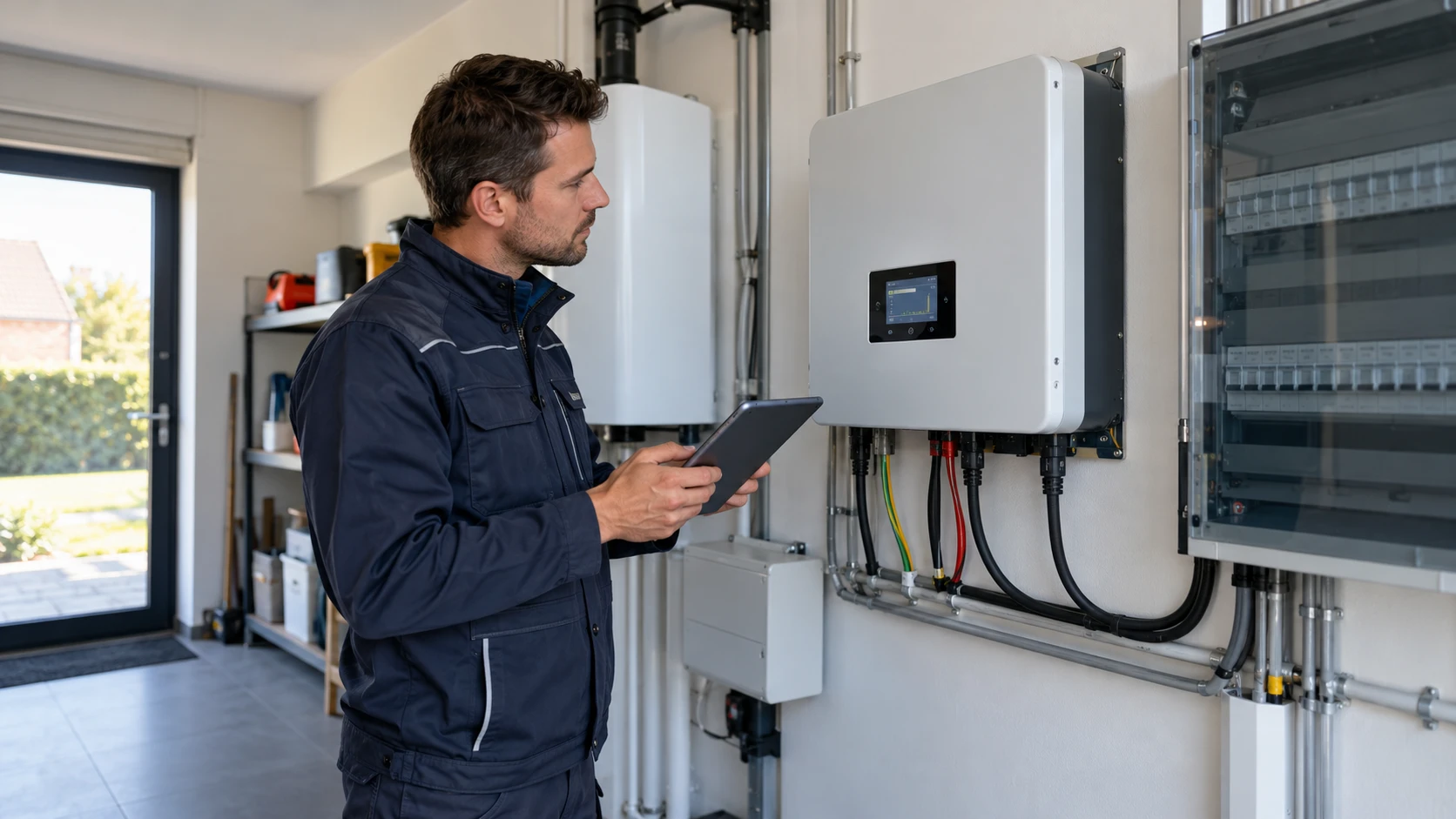
Has your production dropped, is the inverter showing an error code or a red light, has the app stopped receiving data, or does the RCD trip when it rains? Every day it is down is electricity you have to buy back. Write down the message and the inverter brand, take a photo and call us.
On site, the technician checks the protection devices in the consumer unit, the inverter and its error log, then the panel strings one by one. He explains what he found and gives you the price of the repair before doing it.
We also repair systems installed by another company, all brands. If the inverter is too old, we suggest a replacement that suits your panels, with a home battery if the time is right.
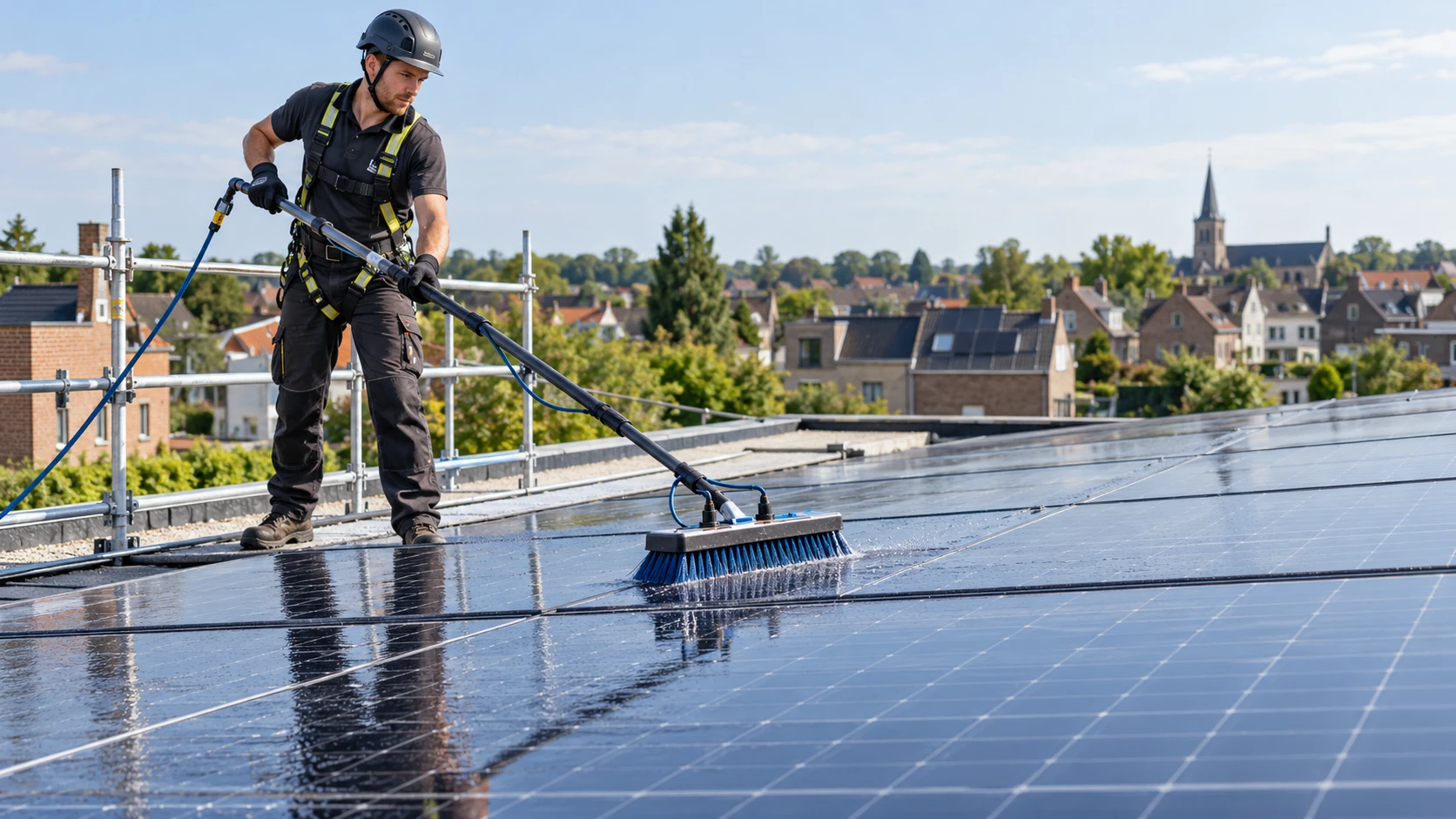
Solar panels need little maintenance, but not none. Next to a field, a road, trees or under pigeons, a layer builds up and production drops without you noticing. Cleaning is done with soft water and a soft brush, never with a pressure washer.
During a service, the technician also checks the mounting, cables and connectors, the inverter and the protection devices in the consumer unit, and compares production with previous years. A slow decline often goes unnoticed without this check.
For your safety, do not climb onto the roof or touch the cables: a panel in the sun produces voltage even when the inverter is switched off.
By phone, online or on WhatsApp. If you can, send a photo of the roof and your latest electricity bills.
The technician looks at the roof, the consumer unit and the meter, reviews your consumption and plans, then gives you an itemised quote.
Installation, connection, conformity inspection and grid registration, then the monitoring app set up with you.
Our work does not stop at commissioning. Our customers' satisfaction is our best business card.
A few weeks after commissioning, we get in touch to check that everything went well and that production matches what was expected.
How to read the app, when to run the big appliances to use your own electricity: you can always call us.
A problem after the work? You call the same office, which follows it up until everything works.
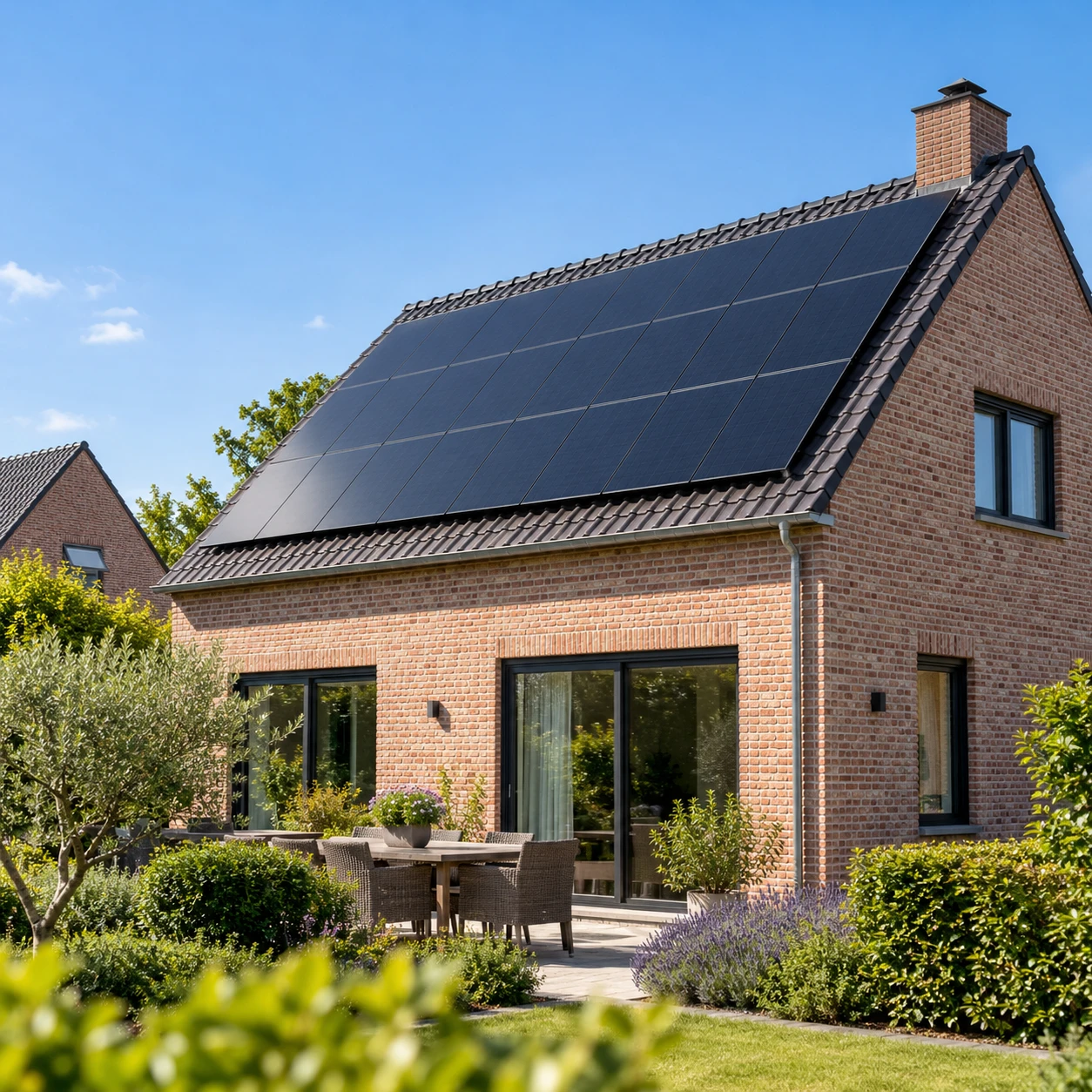
22 years of experienceIn building services: heating, heat pumps, electrics, air conditioning and solar. We know how to make these appliances work together.
From A to ZSurvey, equipment, installation, paperwork, commissioning and follow-up: one company handles your project from start to finish.
Honest adviceIf your roof or your consumption do not justify panels or a battery, we tell you.
5.0 on GoogleOur customers appreciate clear explanations, a tidy site and follow-up after the work.
Trustindex vérifie que la source originale de l'avis est Google. Super quick intervention on a late Tuesday evening!Publié surTrustindex vérifie que la source originale de l'avis est Google. Top service. Very professional. Clear communication and no sneaky sales pitches. Problem identified, problem solved. Correct!Publié surTrustindex vérifie que la source originale de l'avis est Google. Très content du service : communication via emails, entretien de la chaudière avec photos avant/après. Je recommande !Publié surTrustindex vérifie que la source originale de l'avis est Google. Very professional and fast service!! TopPublié surTrustindex vérifie que la source originale de l'avis est Google. Very nice of plumbing thanks a lot!
We survey and install solar panels all over Belgium: in Brussels, Wallonia and Flanders. For a repair, call us: we will tell you straight away when a technician can come.
For repairs and servicing, we work on inverters and panels of all brands, including the most common ones in Belgium. For a new installation, we recommend the equipment that suits your roof and your budget.
Yes, especially if you use the electricity you produce yourself: every kilowatt-hour used on site is one you do not have to buy. That is why we size the system from your consumption.
Yes. A heat pump runs on electricity: with panels, part of that electricity comes from your own roof, and your production is used at home. We design both together, over the full year.
It depends on the orientation, pitch, shade and condition of the roof. A south, east or west-facing roof can work. The technician comes to look and tells you honestly whether it is worth it.
The number is worked out from your consumption and your plans (heat pump, electric car). The idea is to use as much of your own production as possible, not to fill the roof.
Not always. It is useful if you mostly use electricity in the evening, or have a digital meter, a heat pump or an electric car. We work out whether it makes sense for you; it can also be added later.
Support may exist depending on your region (Brussels, Wallonia or Flanders) and your situation, and the rules change often. We explain the steps and the documents you need, without promising any amount.
Yes. Before commissioning, a solar PV system passes a conformity inspection by an inspection body and is registered with the grid operator. We prepare the documents and guide you.
Rain is often enough. If a layer of dirt builds up, cleaning with soft water and a soft brush brings production back up. Never use a pressure washer or harsh products.
Yes, all brands. Write down the inverter message and brand, and call us on 0477 03 88 98: we will tell you when a technician can come.
For a house, installation usually takes one to two days. The final connection follows the conformity inspection and the registration with the grid operator.
Request a survey of your roof and your consumption, with or without a heat pump. Or book a slot online.