Oil
Every year, in all three Regions.

Home › Blog › Heating
In short: yes. In all three Regions, a gas or oil boiler must be checked regularly by a technician recognised by the Region. How often depends on the fuel and on where you live: every year for oil, less often for gas.
It is the question we hear most in September and October, often from people who have just moved to Belgium. The short answer is yes. The useful answer is how often, who may do it and what you risk if you let it slide. Article updated on 24 October 2026, written by the technical team of Service Technic Belgium.
★★★★★5,0on Google· 22 years of experience
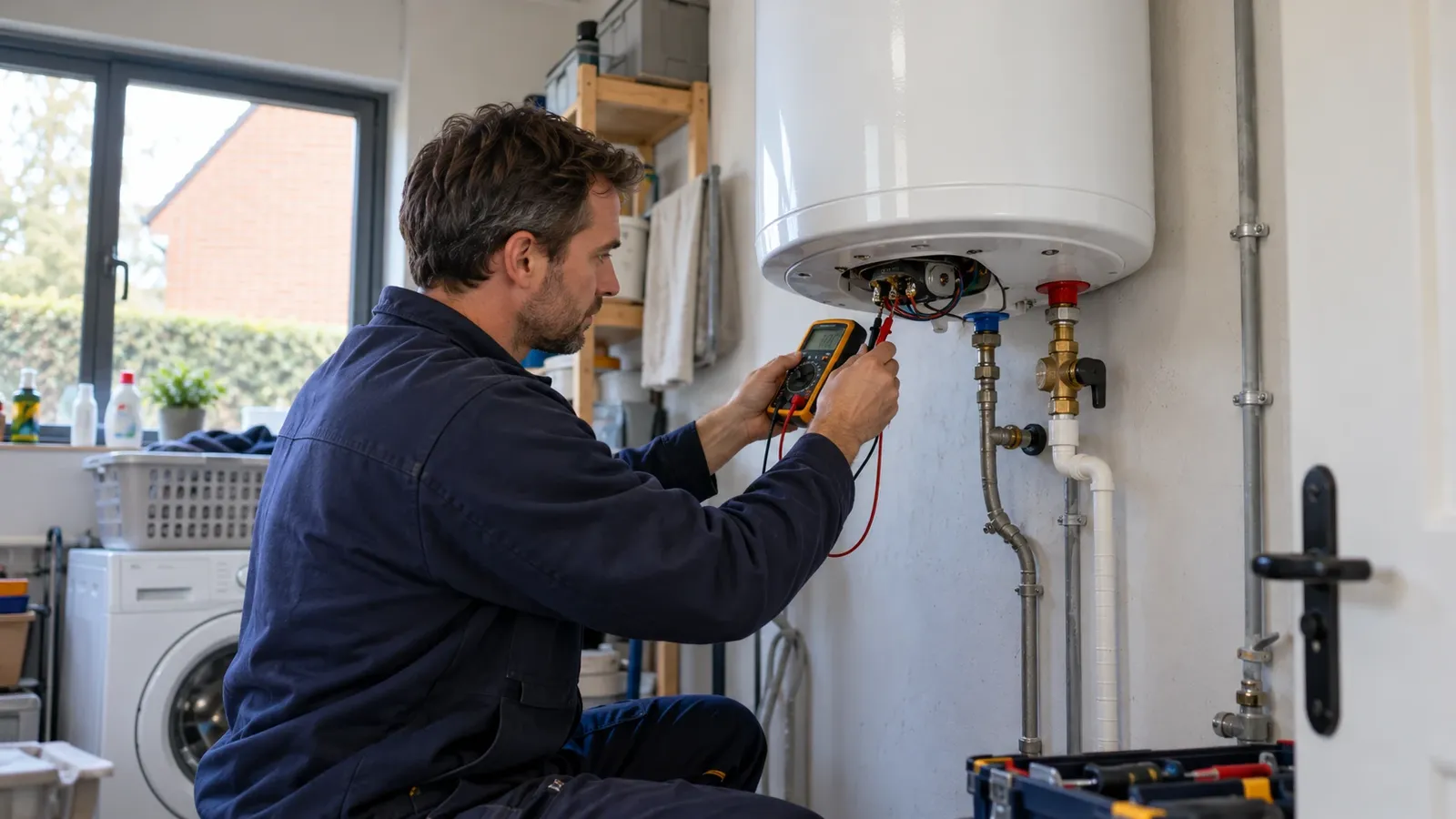
There is no single Belgian law on boiler servicing; there are three. Heating is a matter for the Regions, and each Region has written its own text.
The principle is the same everywhere: a gas or oil boiler must regularly be looked after by a technician recognised by the Region, who cleans it, adjusts it, measures the combustion and gives you a attestation. What changes is the frequency and the name of the documents.
Below are the broad lines as we apply them in the field in October 2026. The texts change from time to time and there are special cases: shared boilers, very large outputs, new appliances still covered by the manufacturer. For a precise case, your Region's website remains the reference: Brussels Environment, SPW Energie in Wallonia or Vlaanderen.be.
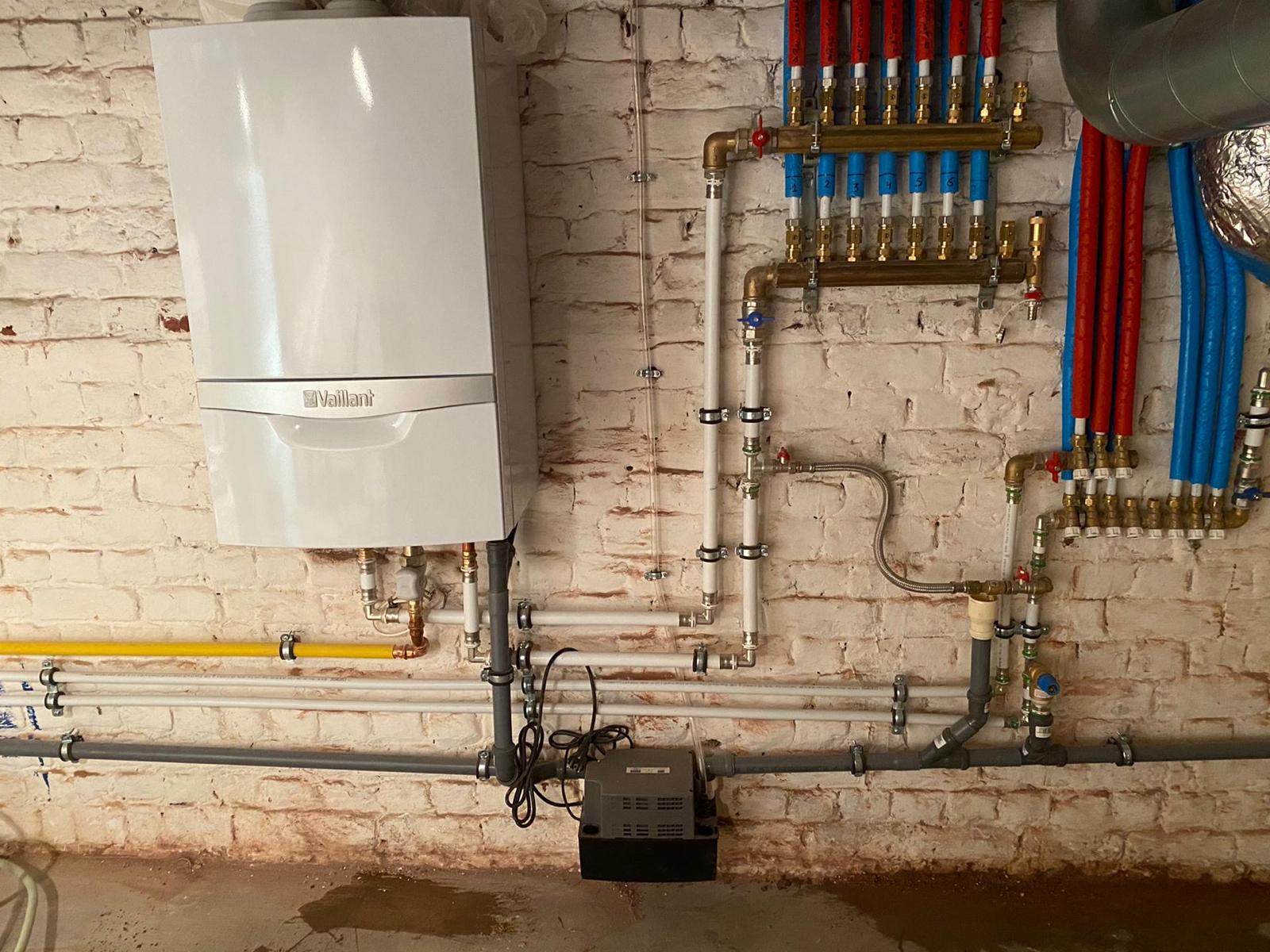
In Brussels, an oil boiler is checked every year. For gas, a periodic check is required every three years, with a more complete diagnosis of the installation when the boiler is more than fifteen years old.
In Wallonia, oil is also every year, and gas generally every three years. In Flanders, oil boilers are serviced every year and gas boilers every two years; a boiler older than fifteen years also goes through a heating audit.
Our advice in all three Regions: have a gas boiler serviced every year too. The law sets a minimum, not what is good for the appliance. A condensing boiler left closed for three years often has a clogged condensate trap and an exchanger starting to block.
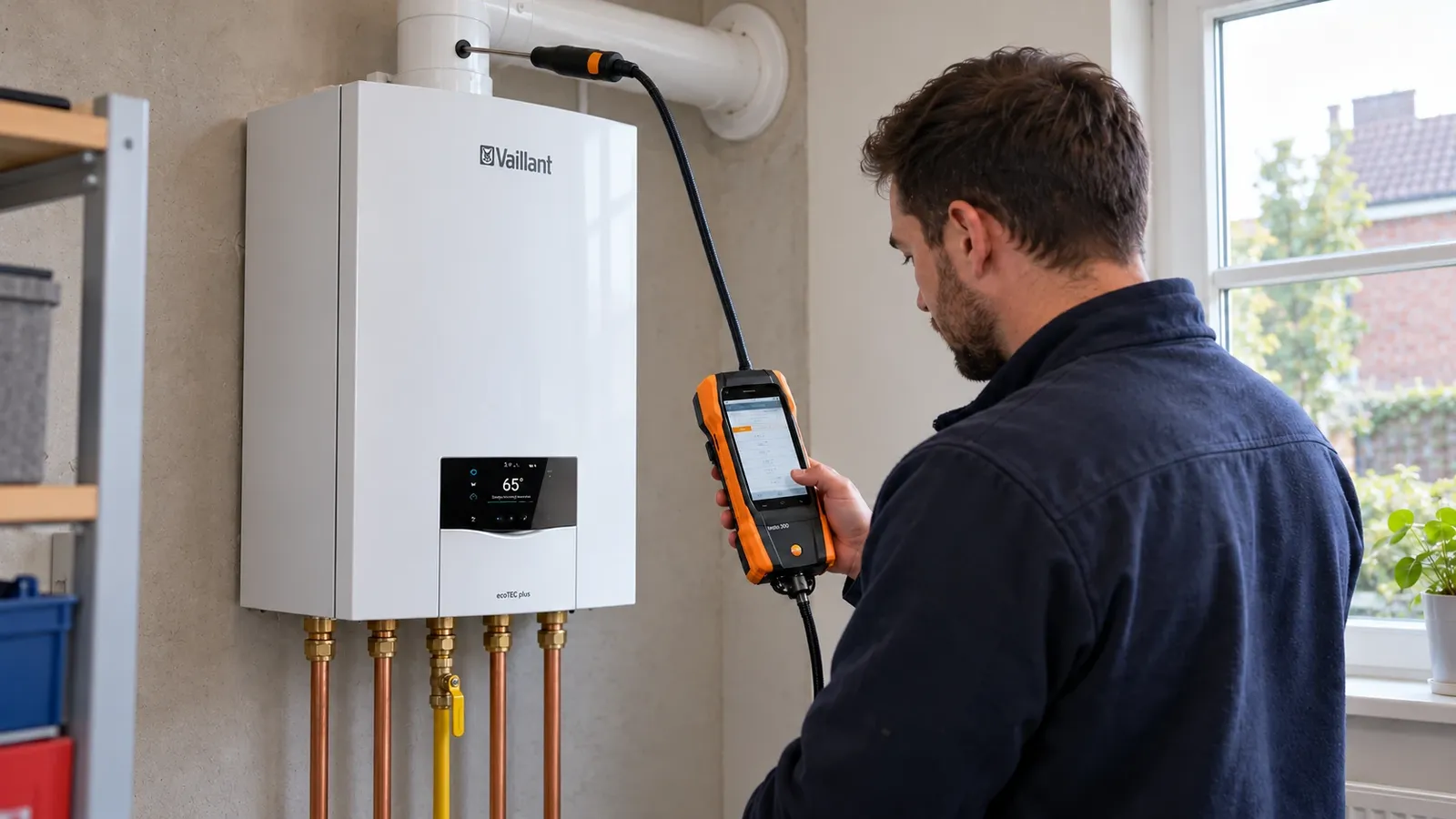
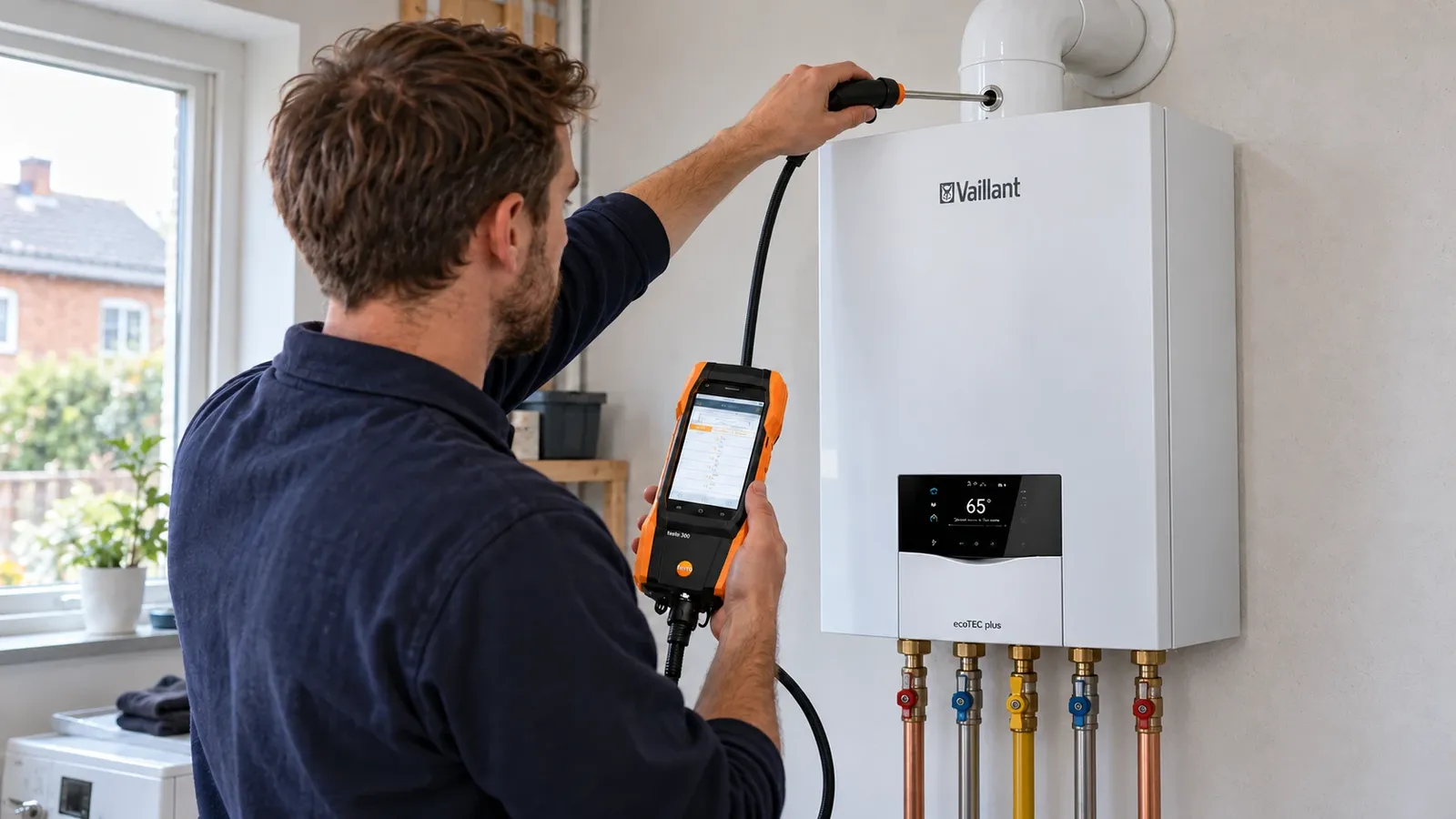
The first reason is carbon monoxide. Poorly adjusted combustion, a partly blocked flue or a tired combustion chamber seal, and the boiler can release CO into the room. You cannot smell it or see it. The combustion analysis carried out during the service is the only serious way to know where you stand.
The second reason is consumption. A dirty or badly set burner burns more fuel for the same heat. On an old oil boiler you can see the difference in the tank from one season to the next.
Then there is the paperwork. After damage such as a fire, a leak from the boiler or carbon monoxide poisoning, your insurer may ask for the latest service attestation. Without it, the discussion becomes difficult. The same goes for the manufacturer: a fault on a boiler that was never serviced is rarely repaired free of charge.
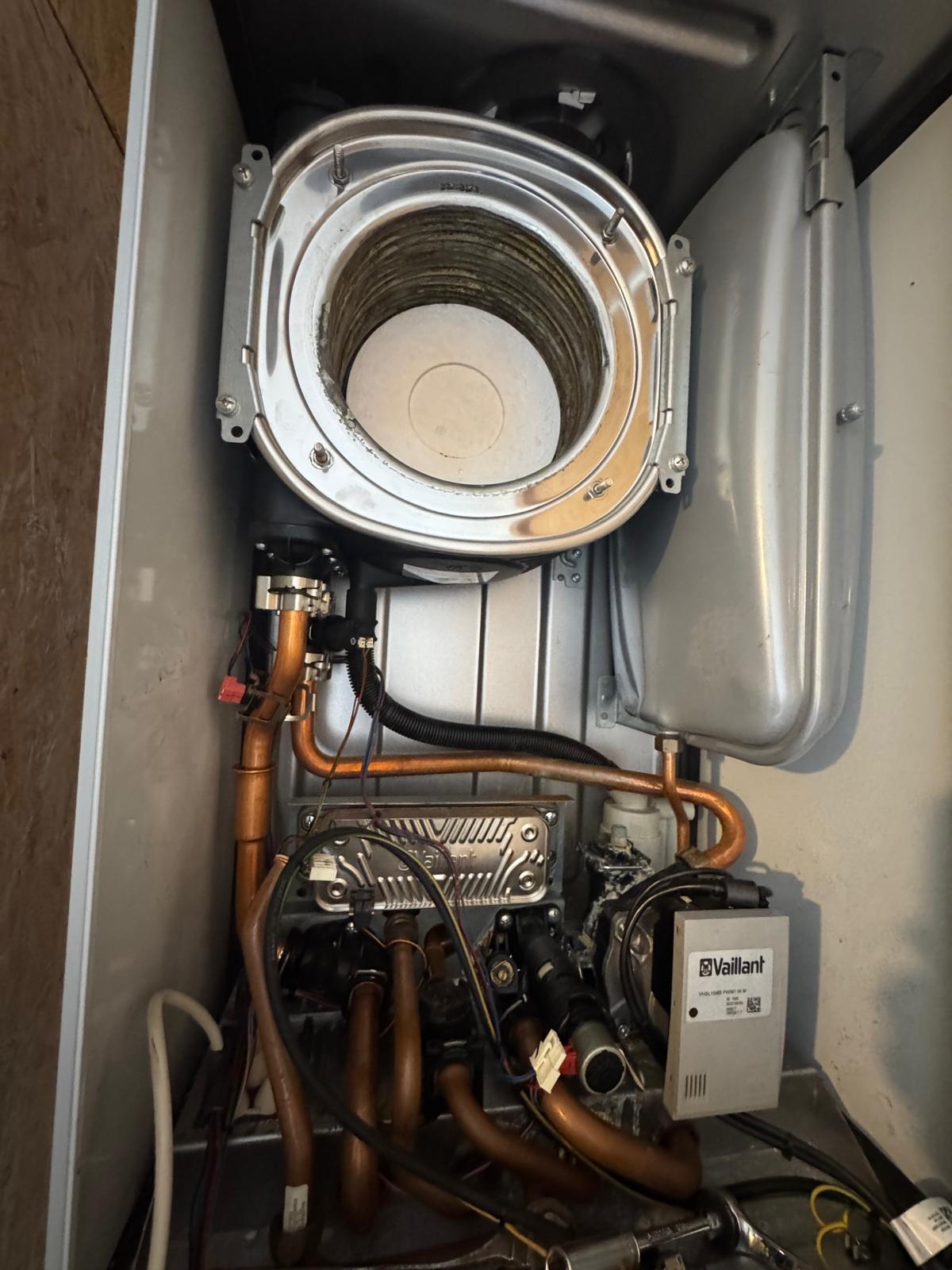
We start by listening. Does the boiler go into fault, does it make noise when it starts, does hot water take long to arrive? Then we open the boiler, clean the burner and the exchanger and check the electrodes and the combustion chamber seal.
On a condensing boiler we empty and clean the condensate trap. On an oil boiler we replace the nozzle and the filter and check the pump. Then we check the system pressure, usually between 1 and 1.5 bar when cold in a house, the expansion vessel, the safety valve and the flue draught.
We finish with the combustion analysis: CO, CO2 or O2, flue temperature and efficiency. The values are written on the attestation you keep.
The most common one: waiting for the first breakdown of winter before calling. In November everyone has the same idea and diaries are full. September, October or the spring are easier for everybody.
Second mistake: thinking a new boiler needs no service. It needs one from the first year, if only to keep the manufacturer's cover. Third: losing the attestation. Keep it with the house papers, or take a photo of it with your phone as soon as you receive it.
In a rented home, in practice the tenant often arranges the yearly service and the landlord pays for major repairs, but the lease can say otherwise. Read it: it avoids arguments.
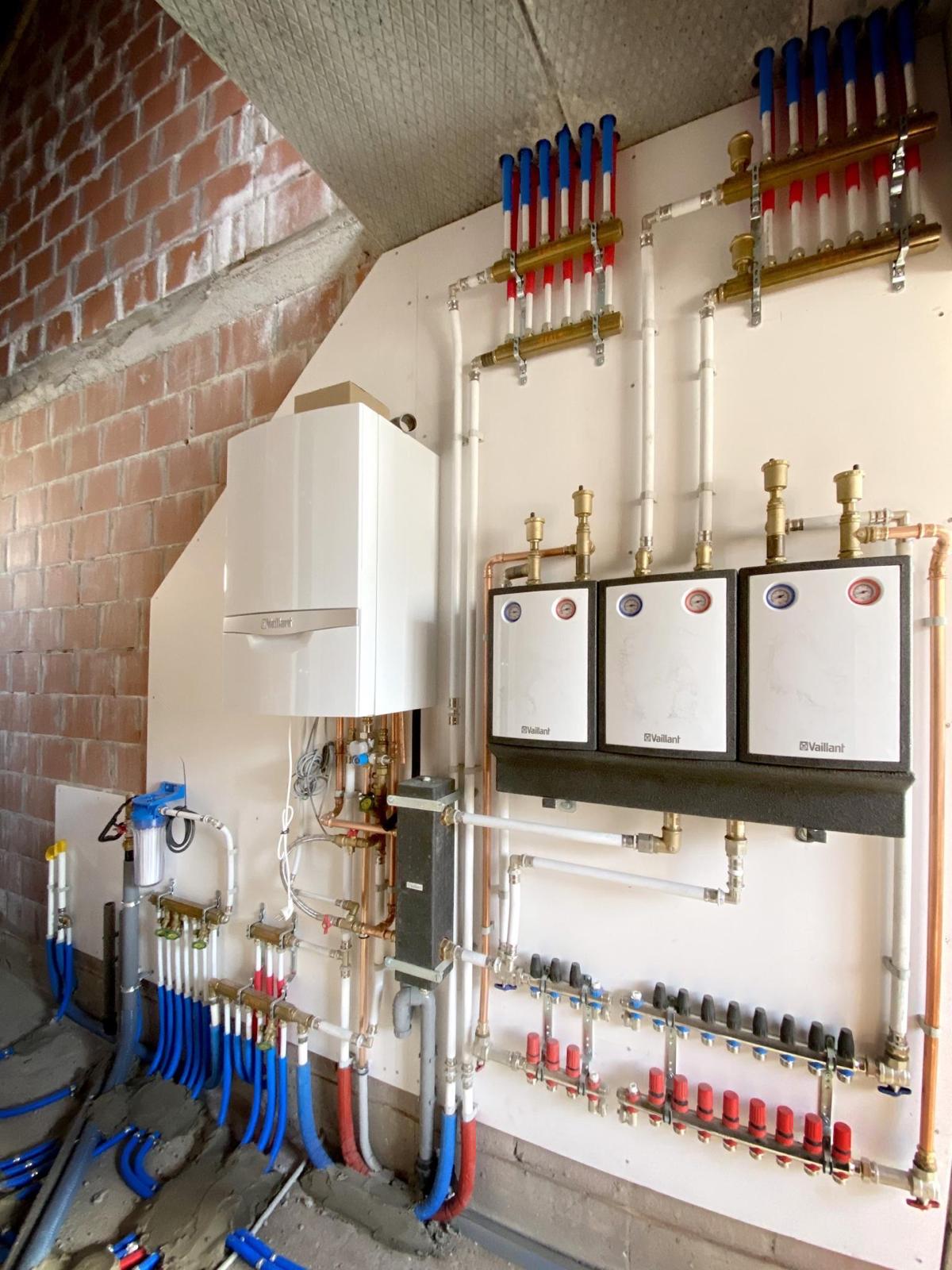
Clear the access to the boiler and, for an oil appliance, to the tank. Note the make and model, written on the data plate, and the last fault code if the boiler showed one.
Have the previous attestation ready: it shows what was done last time and the values measured. That way the technician sees straight away whether something has changed.
Smell gas? Do not touch any switch, open the windows, go outside and call your network operator's emergency number or 112 from there. The service comes afterwards.
Every year, in all three Regions.
Every two years.
Generally every three years.
Every year, gas included.
On the data plate.
With the measured values.
If the boiler showed one.
To the boiler and the tank.
Address, appliance, what is wrong: the office writes it down and books a time.
You know the call-out cost before anyone leaves; a replacement or a new installation gets a written quote.
Diagnosis and explanation first, then your agreement, then the work. The documents come from Service Technic Belgium.
Trustindex vérifie que la source originale de l'avis est Google. Super quick intervention on a late Tuesday evening!Publié surTrustindex vérifie que la source originale de l'avis est Google. Top service. Very professional. Clear communication and no sneaky sales pitches. Problem identified, problem solved. Correct!Publié surTrustindex vérifie que la source originale de l'avis est Google. Très content du service : communication via emails, entretien de la chaudière avec photos avant/après. Je recommande !Publié surTrustindex vérifie que la source originale de l'avis est Google. Very professional and fast service!! TopPublié surTrustindex vérifie que la source originale de l'avis est Google. Very nice of plumbing thanks a lot!
We service gas and oil boilers across Belgium, in Brussels, Wallonia and Flanders.
The legal minimum is every two years in Flanders and generally every three years in Brussels and Wallonia. We advise a service every year.
Every year, in all three Regions.
A technician recognised by the Region for your boiler's fuel. He gives you a attestation with the combustion measurements.
You are in breach of the rules, and after damage your insurer may ask questions. Above all, nobody checks the carbon monoxide.
Often the tenant for the yearly service and the landlord for major repairs, but the lease can say otherwise.
Yes, from the first year, also to keep the manufacturer's cover.
Call 0477 03 88 98, send us a WhatsApp message or book online with the « Book an appointment » button. Tell us the municipality and, in a few words, what is going on.
Book online or call 0477 03 88 98: a heating engineer comes to your home and gives you the attestation.