Slow toilet
The flush drains slowly although the toilet is not blocked.

Home › Drain unblocking › Brussels › Septic tank
In short: Almost every house in Brussels is connected to the sewer, yet many septic tanks, soakaways and old cisterns remain under gardens and basements. Service Technic Belgium empties and cleans them, and checks the pipes that run into them. Call 0477 03 88 98.
People often discover a tank when a drain blocks, a smell appears in the garden or a house is being bought. We help you find out what is under your feet and what should be done with it.
★★★★★5,0on Google· 22 years of experience
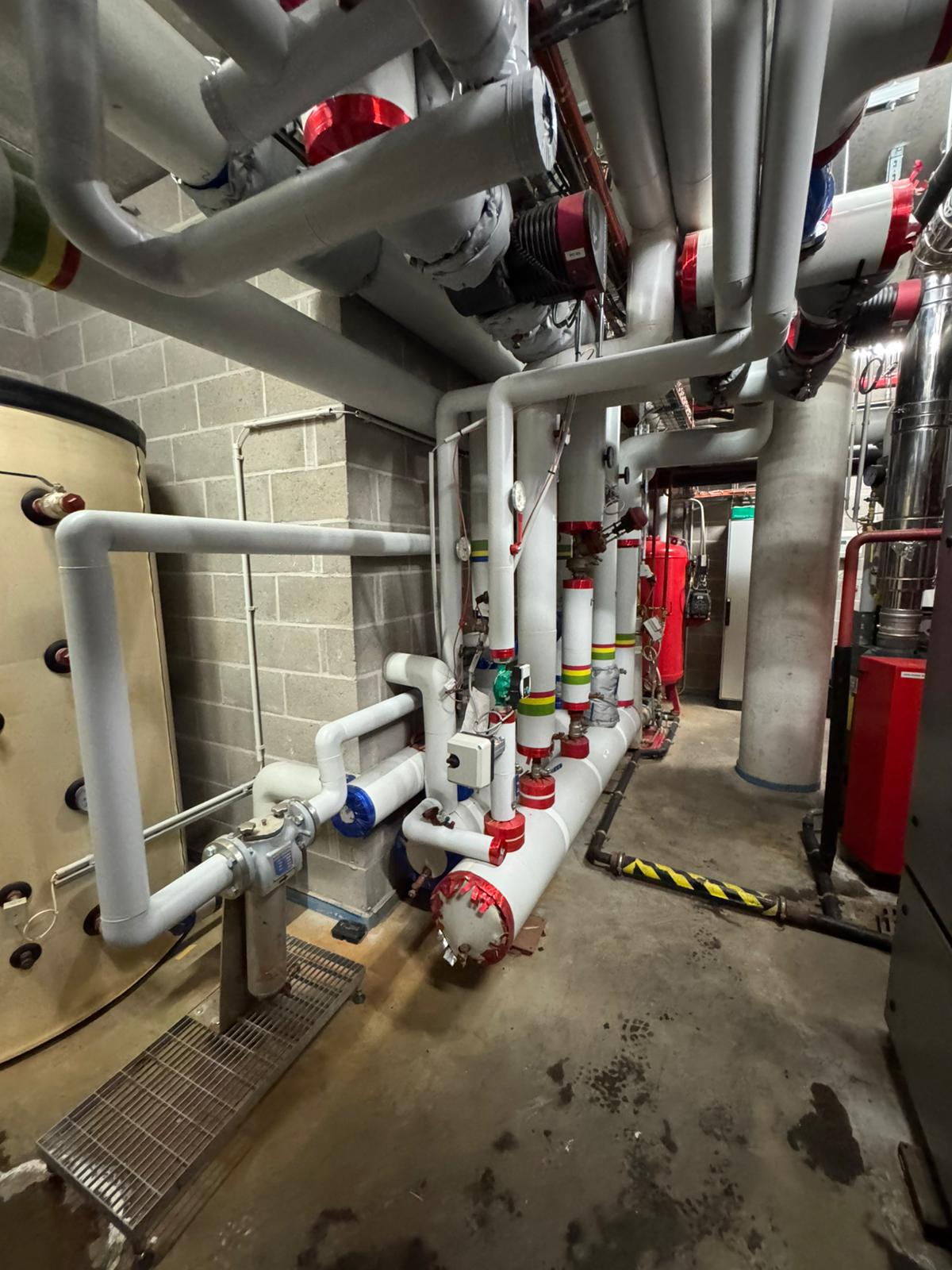
Before general connection to the sewer, Brussels houses sent toilet waste to a tank and then to a soakaway. When they were connected, many tanks were never filled in: they stayed in place, sometimes with waste water still running through them.
We find them mostly in older houses in Saint-Gilles, Molenbeek, Koekelberg and Auderghem, and in the villas of the green districts of Watermael-Boitsfort and Uccle.
A forgotten tank fills with sludge: the toilet drains slowly, a smell rises in warm weather, or water comes up through an access point in the garden.
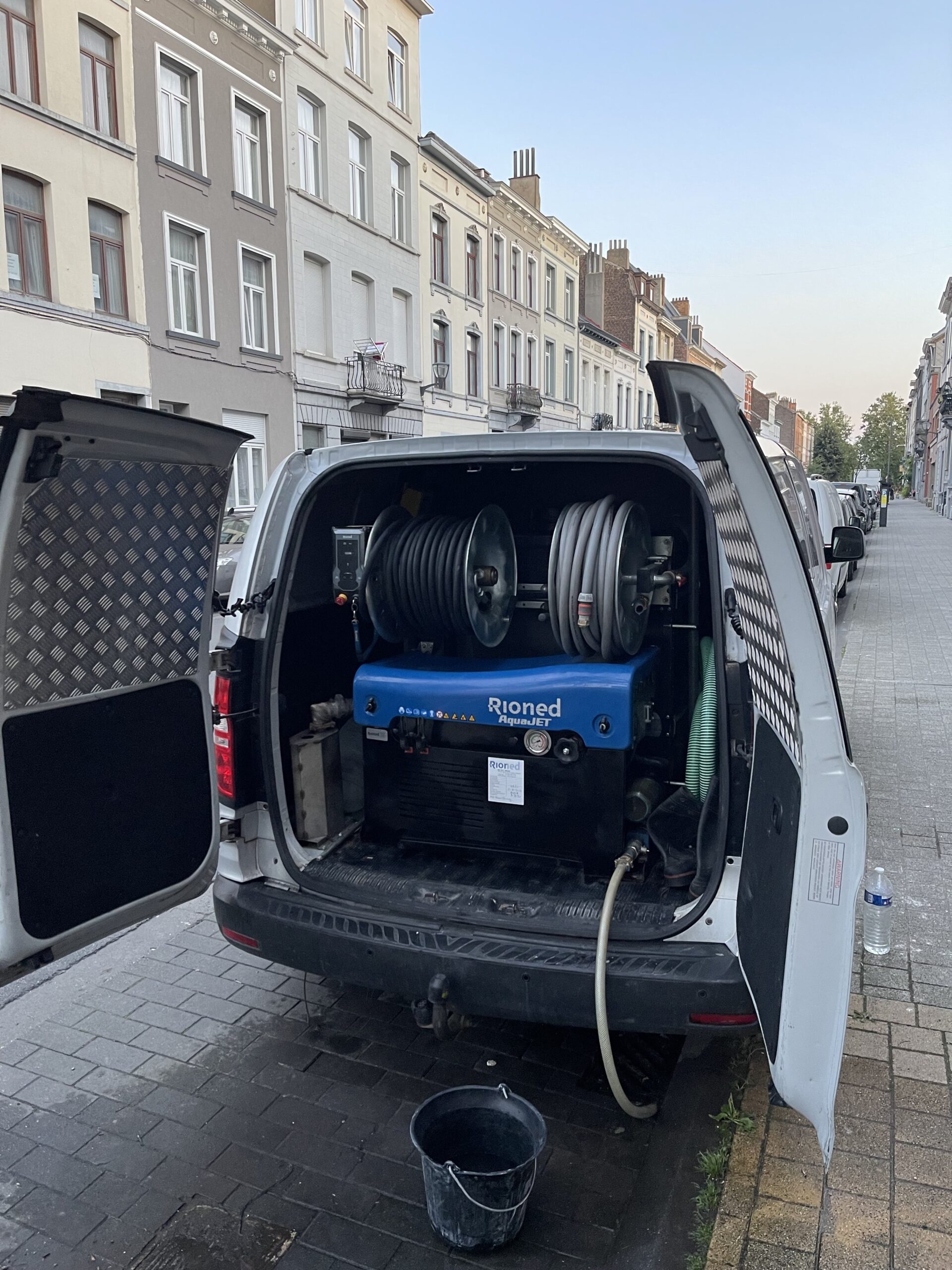
The technician first locates the tank: a cover in the garden, a slab in the basement or, if nothing is visible, with the camera sent along the pipe.
A vacuum tanker pumps the tank, the walls and floor are rinsed, and the sludge is taken to a treatment plant. It is never poured into the sewer.
He then checks the inlet and outlet pipes, which often block right at the entrance to the tank.
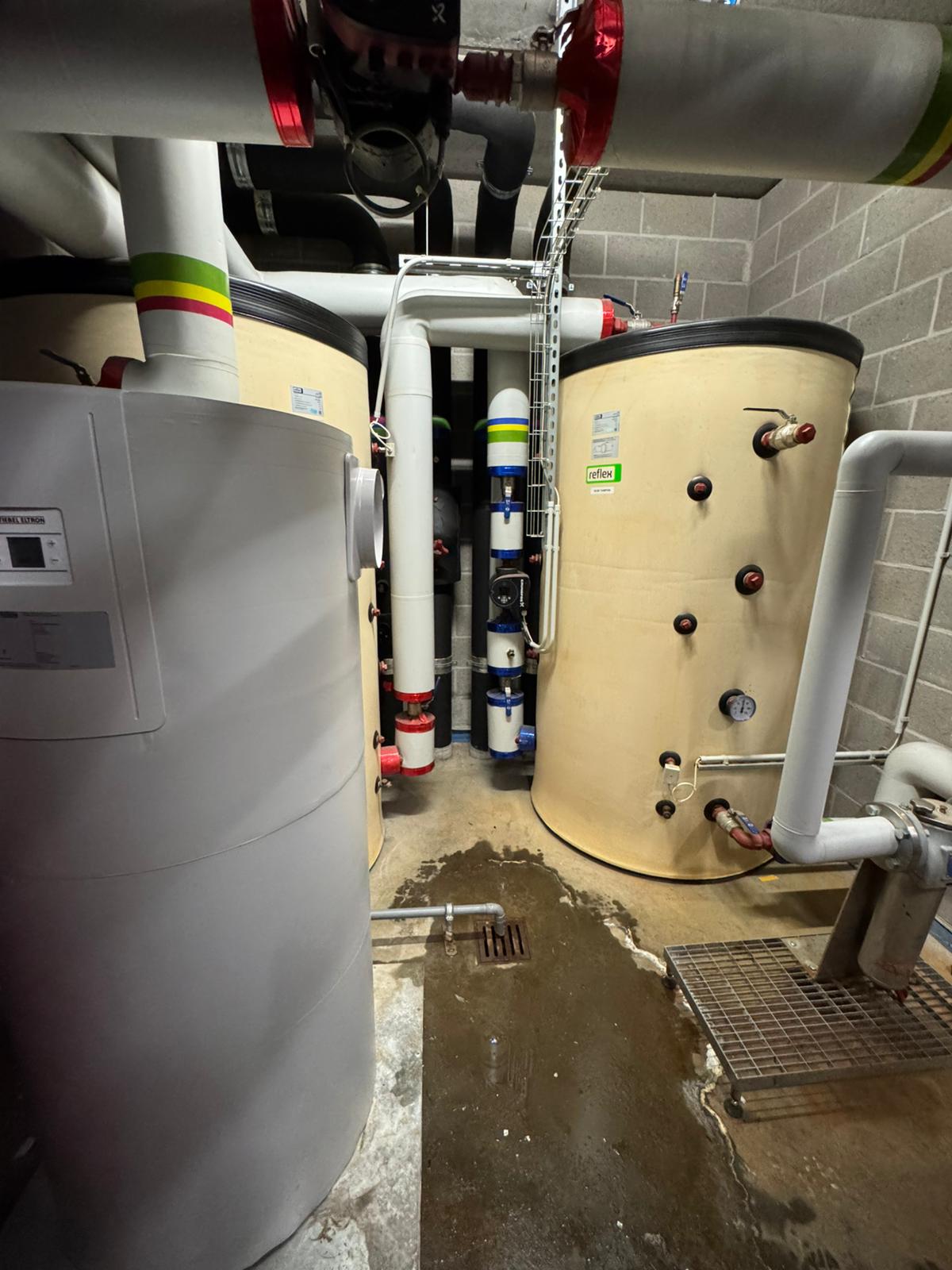
If the house is connected to the sewer, the tank serves no purpose and can cause smells. It can be bypassed: the pipe is connected straight to the sewer, then the tank is emptied and filled in.
If the house is not connected, which still happens in a few streets on the edge of the Sonian Forest, the tank needs regular emptying to work.
We explain what we see and give you a quote for any work. For a connection to the public sewer, Vivaqua sets the conditions.
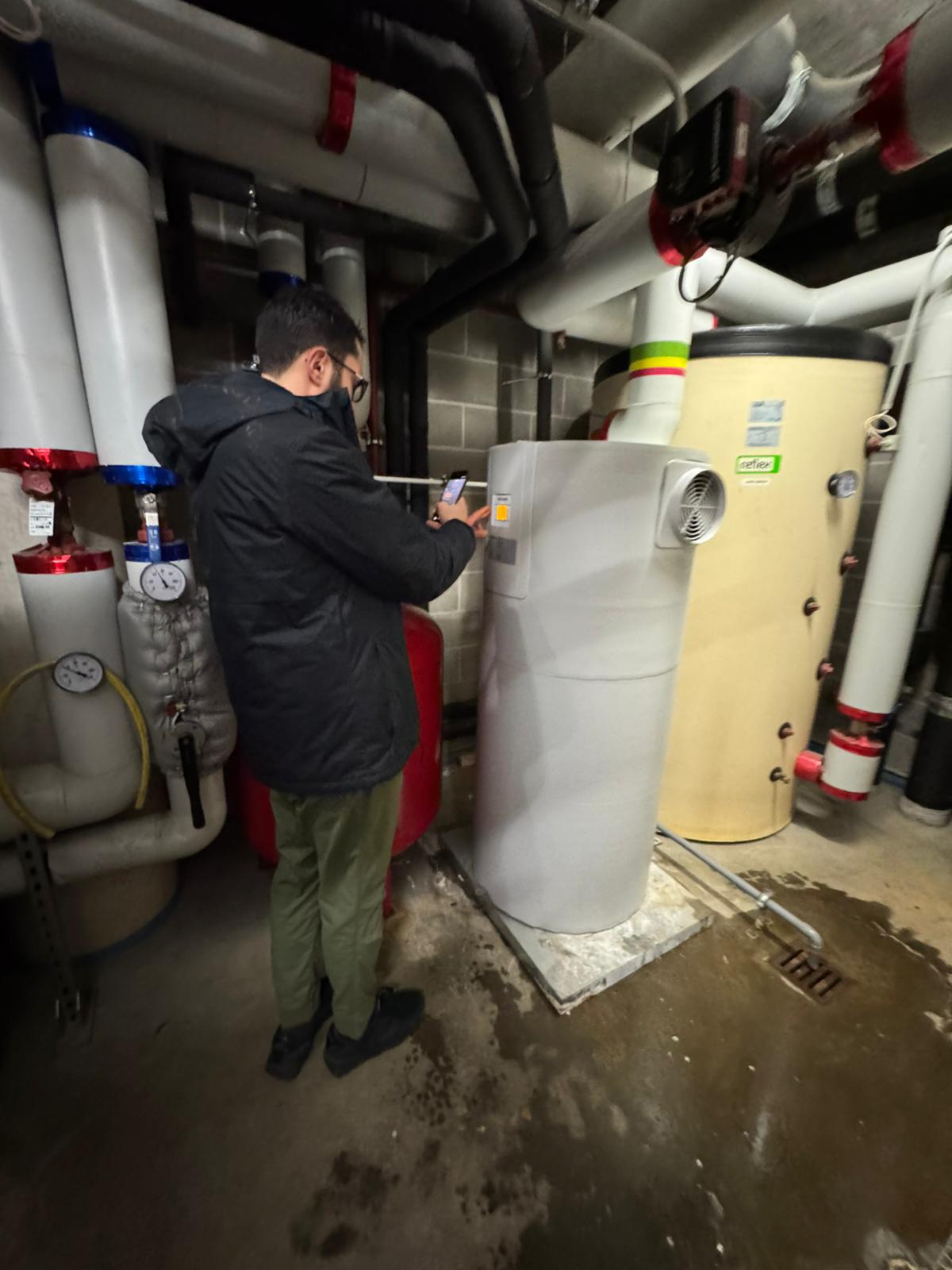
Restaurants, canteens and some shops have a grease trap between the kitchen and the sewer. It has to be emptied before it is full, otherwise grease passes into the pipe and blocks it.
Garages and car parks sometimes have an oil interceptor that holds back oil and petrol. Emptying follows the same principle, with suitable transport.
We agree an emptying frequency with you based on your business and leave a dated job sheet.
Many Brussels gardens hide an old brick rainwater cistern under a slab. Cracked, or connected to the waste pipe by mistake, it may smell or fill with dirty water.
We empty it, clean it and check what runs into it. A sound cistern can be used again for watering or flushing toilets.
If you find a slab and do not know what is under it, never climb in: the gases from a cesspit are dangerous. Call us to open it safely.
The flush drains slowly although the toilet is not blocked.
Especially in warm or stormy weather.
A damp, greener patch above the tank or soakaway.
Water stands in the chamber where the pipe leaves the house.
The house plans or the deed of sale sometimes show the tank.
Pots, decking or gravel: clear the access if you know where it is.
The tanker must get close; tell us the distance between the street and the tank.
A cesspit gives off toxic gases: do not lean over an open tank.
Tell us what is blocked and since when; a photo on WhatsApp helps the technician bring the right kit.
The office tells you what the visit costs and confirms the time.
The technician finds the blockage, explains the method and its cost, and waits for your yes. You get the job sheet and the invoice.
Trustindex vérifie que la source originale de l'avis est Google. Super quick intervention on a late Tuesday evening!Publié surTrustindex vérifie que la source originale de l'avis est Google. Top service. Very professional. Clear communication and no sneaky sales pitches. Problem identified, problem solved. Correct!Publié surTrustindex vérifie que la source originale de l'avis est Google. Très content du service : communication via emails, entretien de la chaudière avec photos avant/après. Je recommande !Publié surTrustindex vérifie que la source originale de l'avis est Google. Very professional and fast service!! TopPublié surTrustindex vérifie que la source originale de l'avis est Google. Very nice of plumbing thanks a lot!
We work across the Brussels Region. Most requests come from Saint-Gilles, Molenbeek, Watermael-Boitsfort, Koekelberg and Auderghem, where older houses kept their tanks.
If it was built before general connection to the sewer, it may. A camera inspection from the basement shows whether the pipe passes through a tank before reaching the street.
A tank still in use usually every three to four years, depending on its size and the number of occupants. A disused tank is emptied one last time before being filled in.
It is taken by tanker to a treatment plant. It is never poured into the sewer.
Yes: emptying, direct connection of the pipe to the sewer and filling in the tank. You get a quote after the visit.
Yes, at a frequency that suits the kitchen, before or after service.
It stays in the street; the suction hose reaches a tank several tens of metres away. Tell us the distance on the phone.
Call 0477 03 88 98, send us a WhatsApp message or book online with the « Book an appointment » button. Tell us the municipality and what is blocked.
Call 0477 03 88 98: we locate the tank, empty it and check the pipes.