Only the toilet
Sink and shower drain well: the blockage is in the pan or just behind it.

Home › Drain unblocking › Brussels › Blocked toilet
In short: A pan filled to the brim, a cistern that no longer empties, a macerator that hums and stops: in Brussels, Service Technic Belgium sends a technician who clears the toilet and repairs what needs repairing, flush mechanism included. Call 0477 03 88 98.
Most of the time the blockage sits just behind the pan, in the outlet bend. Sometimes it is lower down, in the soil stack or the collector under the basement. The technician checks both before he leaves.
★★★★★5,0on Google· 22 years of experience
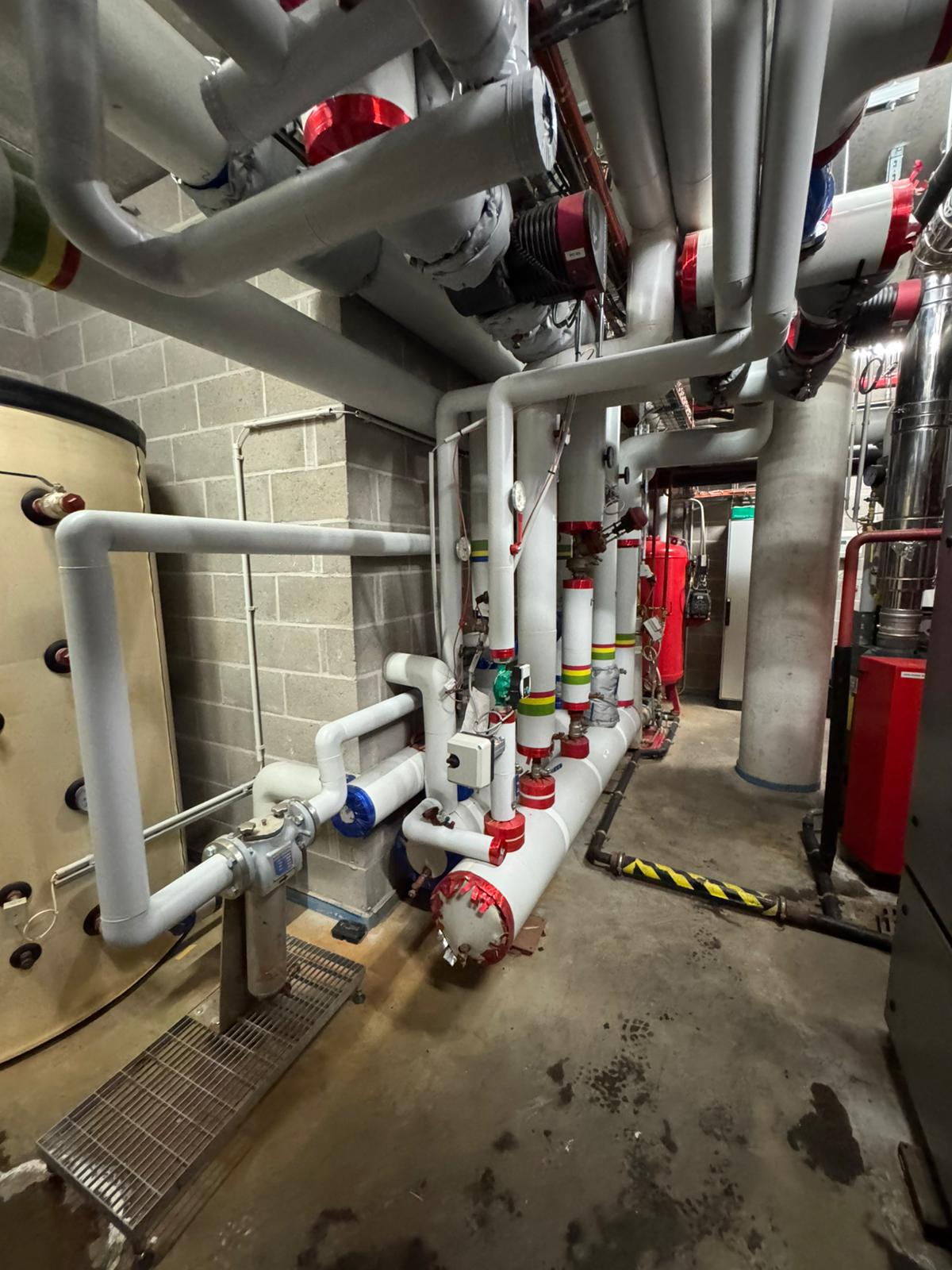
Wet wipes, even those sold as flushable, do not break down in water. They catch in the bend of the pan and hold back the paper behind them. They are the first cause of the blocked toilets we see in Brussels.
Next come things that fall in: a toy, a toothbrush, a bottle cap. They wedge at the bottom of the pan trap, where a plunger or hand auger struggles to grip them.
Less often the pipe itself is the problem: a cracked clay pipe, roots in a garden in Uccle or Woluwe, or too little fall in a bathroom added in the attic.
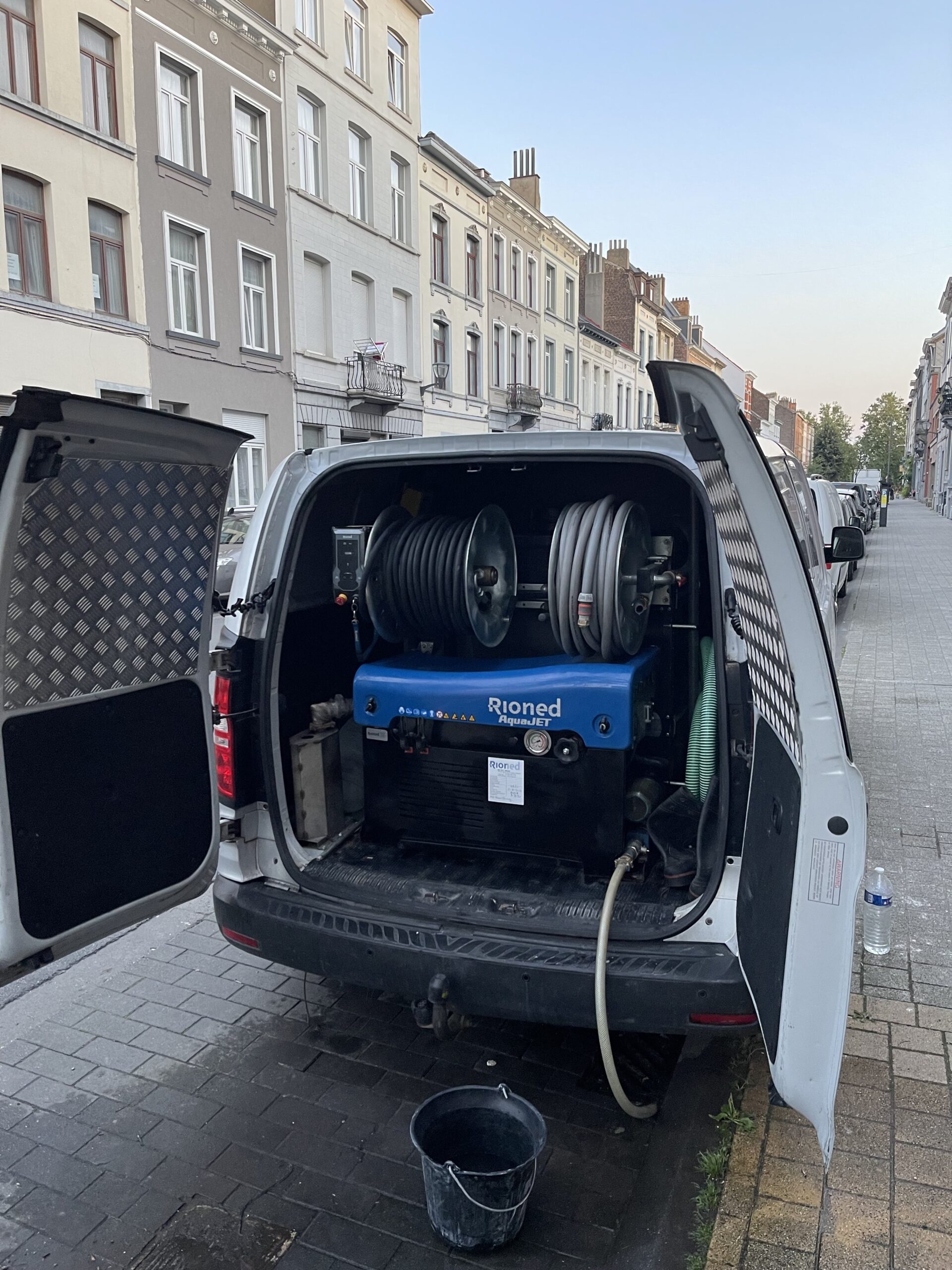
The technician starts with a toilet auger whose sheath does not scratch the porcelain. He feeds it into the trap, hooks the plug and pulls it back, or pushes it through to the stack when it can pass.
If the water still does not drop, he takes off the pan connector or works from the basement access point, from the other side, with a power snake or pressurised water.
A hard object stuck in the pan sometimes means lifting the pan. He tells you first, with the time it takes, and refits it with a new seal.
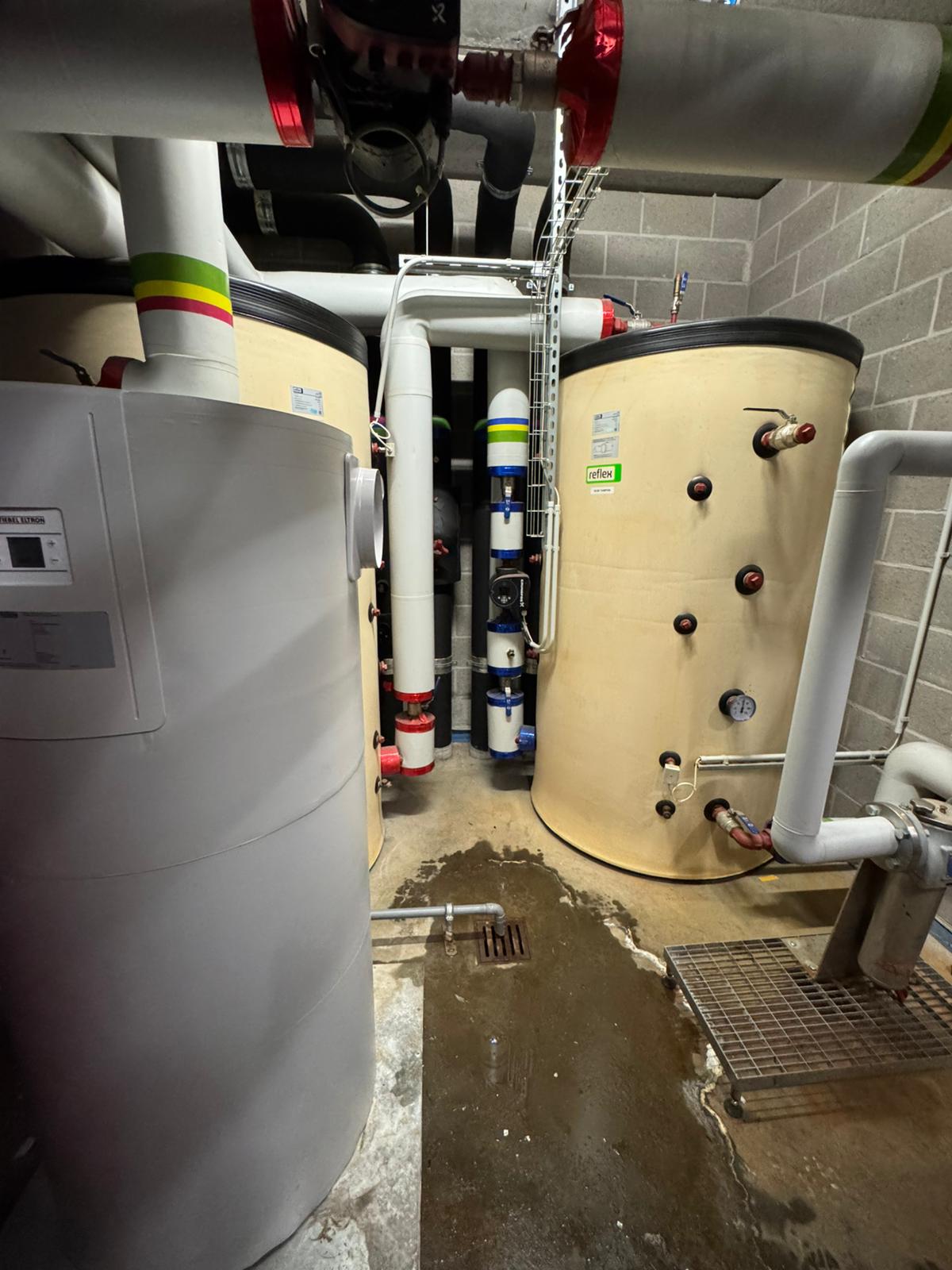
In many Brussels flats the toilet was added far from the soil stack, with a macerator behind the pan. It stops when an object jams the blades, when the non-return valve sticks or when scale seizes the pressure switch.
We disconnect it, empty it, remove whatever is jamming it and clean the chamber. If the motor will not restart, the technician tells you whether a part or a new unit makes more sense.
A macerator cannot cope with wipes or sanitary towels: a small notice in the toilet stops the problem coming back in a rental.
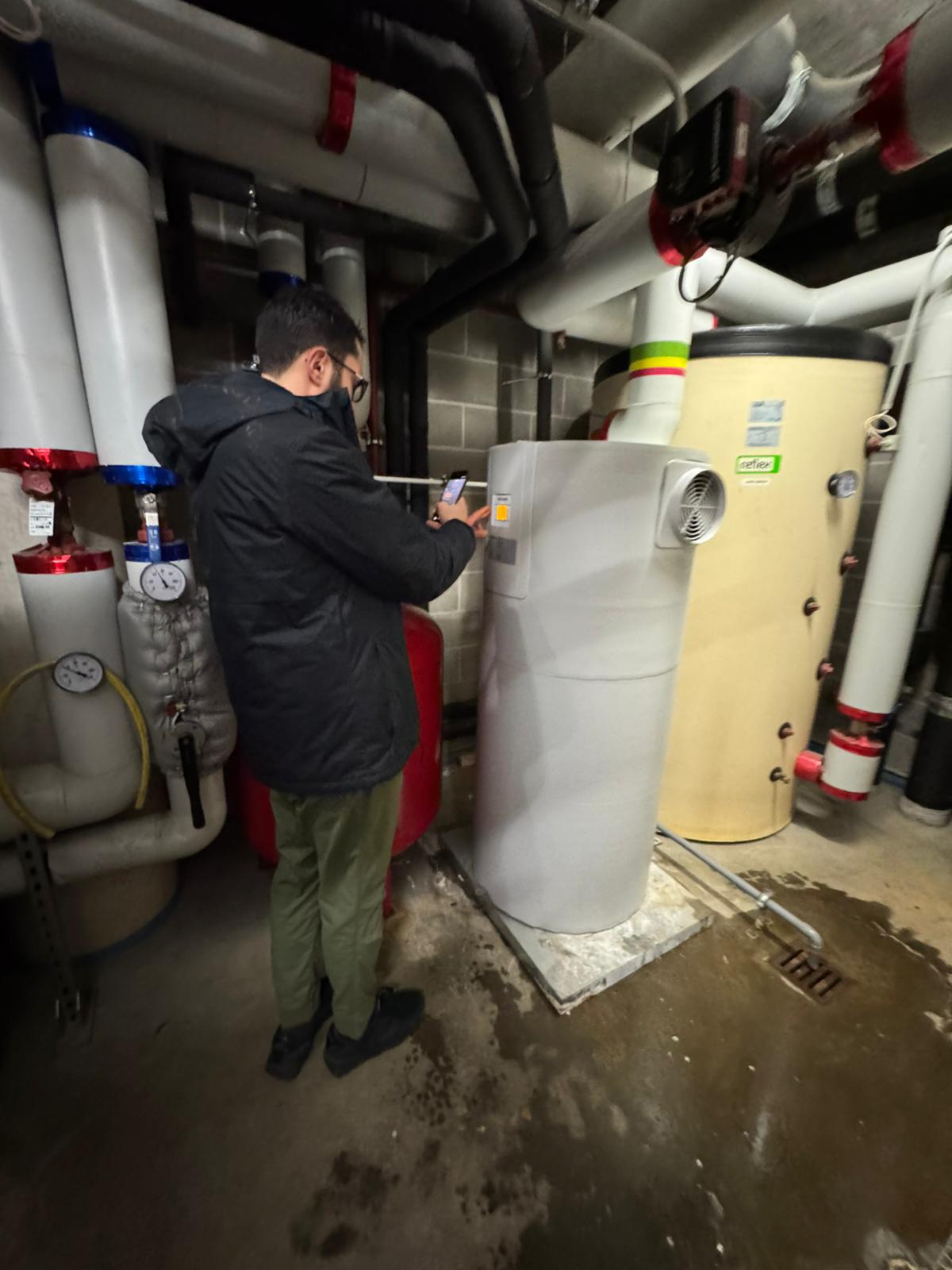
Many people in Brussels call us for a toilet repair: the cistern runs all the time, it no longer fills, or water seeps out at the foot of the pan.
The technician replaces the float, the isolating valve, the flush valve or the push-button mechanism, on an exposed cistern or a concealed frame. For a concealed cistern he works through the hatch behind the flush plate.
A leak on the floor usually comes from the seal between pan and connector. Left alone, it damages the floor and the ceiling of the flat below.
A small bin with a lid next to the toilet, for wipes and cotton buds, solves most cases. Paper breaks down; the rest does not.
A weak flush does not push enough water to carry paper to the stack. Adjusting the mechanism is often enough.
If the toilet blocks when nothing has been thrown in, have the pipe checked: a sag or a root shows up clearly on camera.
Wall-hung toilets, common in renovated flats in Ixelles, Uccle or Woluwe, have their cistern hidden in a frame behind the wall. For a blockage that changes almost nothing: the auger goes in through the pan. For a cistern that keeps running or no longer fills, we work through the hatch behind the flush plate, without breaking any tiles.
Old floor-standing toilets in houses in Forest, Anderlecht or Molenbeek often have a horizontal outlet joined to a cast-iron or lead pipe. The seal between them dries out over the years and lets water through at the foot of the pan, especially after a blockage when the water rose high.
If the pan is cracked or the connector too worn, the technician tells you and suggests replacing it. It is never done without your agreement.
The ground-floor or basement toilet is the lowest one in the house. It overflows first when the collector to the street is blocked: someone flushes upstairs and the water rises downstairs. The blockage is then not in the pan but further on, often at the interceptor trap by the front wall.
In that case a plunger will not help. The technician opens the basement chamber and clears the collector with a snake or high-pressure water, then checks that every toilet in the house drains properly.
A basement toilet lower than the street sewer needs a pump. If the pump fails, nothing drains: we check that too, float and valve included.
Sink and shower drain well: the blockage is in the pan or just behind it.
The shower gurgles when you flush: it is lower, in the stack.
Water rises in the downstairs toilet: the collector to the sewer is the cause.
A strong smell near the access point means a collector backing up.
Every flush adds water to a full pan: it will overflow.
The small valve behind or under the cistern stops it refilling and running again.
A well-placed plunger may be enough. If the water does not move, do not keep pushing.
Towels around the base of the pan limit the damage if it overflows.
Use whichever suits you and tell us your municipality.
You know the visit time and the call-out cost in advance.
Work starts once you agree. Keep the job sheet and the invoice for your records.
Trustindex vérifie que la source originale de l'avis est Google. Super quick intervention on a late Tuesday evening!Publié surTrustindex vérifie que la source originale de l'avis est Google. Top service. Very professional. Clear communication and no sneaky sales pitches. Problem identified, problem solved. Correct!Publié surTrustindex vérifie que la source originale de l'avis est Google. Très content du service : communication via emails, entretien de la chaudière avec photos avant/après. Je recommande !Publié surTrustindex vérifie que la source originale de l'avis est Google. Very professional and fast service!! TopPublié surTrustindex vérifie que la source originale de l'avis est Google. Very nice of plumbing thanks a lot!
We work in all 19 municipalities, in houses and apartment buildings. For a flat, tell us the floor and whether there is a lift.
For a plug of paper or wipes in the pan, usually under an hour on site. A wedged object or a blockage in the stack takes longer; the technician tells you beforehand.
Yes: float, mechanism, isolating valve and seals, on a standard cistern or a concealed frame. The technician carries the common parts.
Switch it off, stop flushing and call us. A motor running against a jam wears out quickly.
That depends on the lease and the cause. The job sheet says what blocked the toilet, which helps settle it with the landlord or managing agent.
Yes, a blocked toilet in a home with only one is treated as urgent, weekends included.
Almost never. The auger goes through the pan, and the basement access lets us work from the other side.
Yes. The leak usually comes from the seal between the pan and the connector, sometimes from a cracked pan. The technician replaces the seal or the connector and tells you if the pan needs changing.
Because the blockage is further down, in the collector to the street. The lowest toilet is where the water comes out. The collector has to be cleared from the basement chamber.
Call 0477 03 88 98, send us a WhatsApp message or book online with the « Book an appointment » button. Tell us the municipality and what is blocked.
Call 0477 03 88 98: the technician comes with a toilet auger and the most common flush parts.